
Tile Roof Cost, Installation, and Maintenance
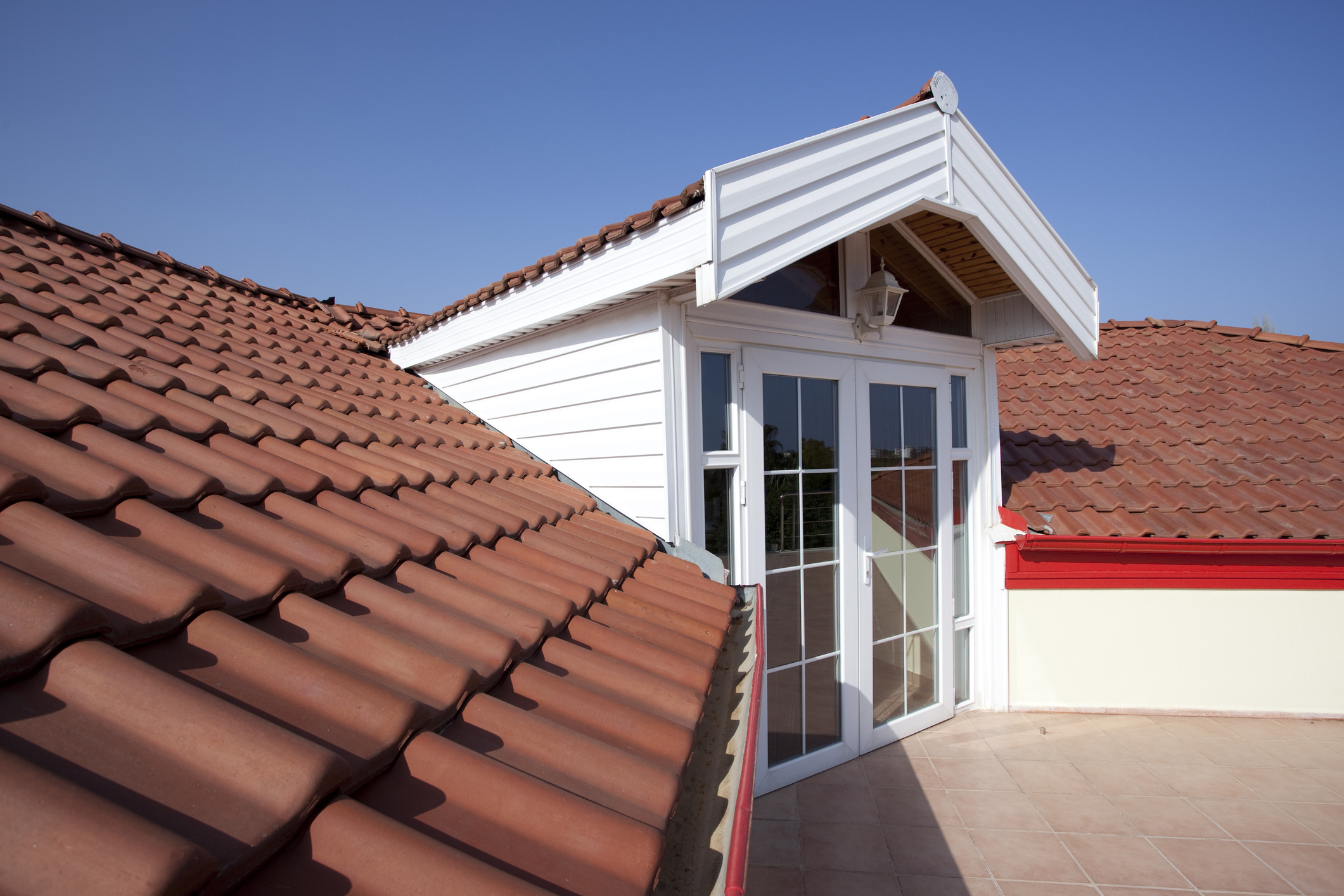
When properly installed, tile roofs—especially clay tile roofs—last longer than most other roofing materials. You can expect them to last at least 100 years, but some tile roofs have lasted twice or three times as long. And, although cement tile roof costs less, they only have a lifespan of about 50 years. Tile roof costs range widely depending on what the material and style you choose.
Concrete tile roofs are, as you can imagine, made from cementitious materials such as fly ash, sand, and various calcium compounds. Clay roofs are usually composed of natural materials including quartz and shale which are heat treated to ensure they will be able to withstand environmental conditions for years to come.
What You Need to Know
Your roofing contractor should be well-educated on tile roof installation and maintenance, as well as several international standards that cement and clay tiles should meet:

There are three main classifications of tiles available—low profile tiles, medium profile tiles and high profile tiles—which are separated by rise-to-width ratios. The rise-to-width ratio, which is measured only when your tile roof is fully installed, is the difference between the high points of the installed tile with the low points. The type of tile you use will depend on the design and structural needs of your particular building. There are also various accessory clay and cement tiles which can be used for valleys, hips, and ridges.In order to ensure the quality of cement and clay tile roofs, several international testing and rating agencies, such as the American Society for Testing and Materials (ASTM), have developed benchmarks that must be met by manufacturers of clay and cement tiles. For concrete tiles, the generally accepted benchmark is the ASTM C1492, which goes over the proper manufacturing processes to achieve optimal quality, strength, and durability. Similarly, the ASTM C1167 lays out expectations and standards for clay tiles. Your roofing contractor should be able to steer you toward tile roof manufacturers that meet these standards.
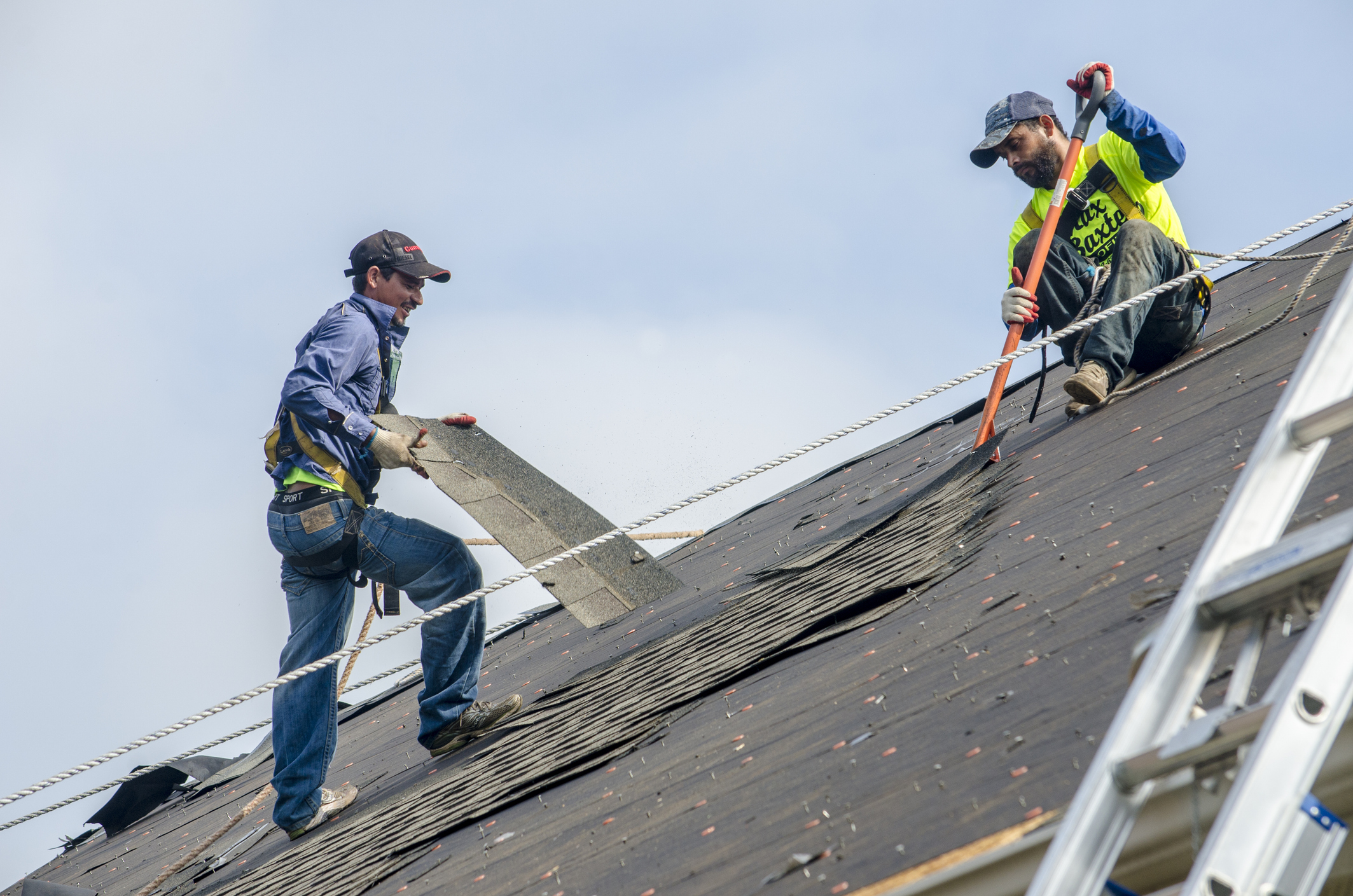
Tile roof installation is a highly technical and difficult operation. For an experienced roofing contractor, however, it should be relatively standard. First, your roofing contractor will check to make sure the sheathing is thick lumber strong enough to carry the load of the tile roof. Then, they will place underlayment—ASTM D226 Type II is recommended—in the right pattern for your tile material and classification. Then, there are several different methods for laying the tiles with mortars and battens. Your roofing contractor will choose the one that works for your tile selection.It is worth noting that it is dangerous to attempt a tile roof installation yourself. If you grind, cut or saw a clay tile, you can release crystalline silica dust—which is a known carcinogen and can cause birth defects—into the air. An experienced roofing contractor takes every precaution to prevent tile dust from escaping into the air and will minimize the risk of breathing it in.Tile roofs are relatively low maintenance, and the problems you will run into throughout its lifetime are often easy to fix. For instance, though algae sometimes will grow on your tile roof, it is very easy for a roofing contractor to clean. Additionally, tiles naturally resist deterioration due to algae and moss growth. Typically, a roofing contractor will clean the growth, careful to maintain the structural integrity of the tile roof. Another problem you might run into is a fading of color—this happens naturally as your tile roof is exposed to the environment, but is nothing to worry about as it doesn’t impact the effectiveness of the roof.
Why You Should Schedule A Consultation With Wildwood
Tile roofs are a great option for those looking for a long-lasting and low-maintenance roofing option. Whether you’re looking into repairing, replacing or installing a tile roof, you should consider working with Wildwood Roofing & Construction. We’ve been conduction tile roof installations for years, and take pride in every roofing job we’ve completed. And our clients have good things to say about us, too.
Whatever your roofing needs, give us a call to set up a cost- and obligation-free consultation.
Contact Us Today
Get Roofing Services Beyond Your WILDEST Dreams
Want to work with the most qualified, reliable and professional exterior construction contractor? Schedule a consultation with us today.
Areas We Serve
Premier St. Louis Area Roofing Contractor
At Wildwood Roofing & Construction, we’re proud to serve the St. Louis area with top-notch roofing and exterior services. We bring our expertise to both commercial and residential properties throughout the region. From roofing to siding and beyond, we’re committed to delivering quality and customer satisfaction to our neighbors.

Showing 4 and 5 star Google reviews
What Our Customers Say
The WILDWOOD Advantage
We are leaving the competition in the gutter with peak performance and attention to what really matters.
| Peace of Mind Starts Here |  Wildwood Wildwood | Others |
|---|---|---|
| Award-Winning Services | check | ? |
| Buy a Roof Over the Phone | check | x |
| 95% Insurance Approval Rate | check | x |
| Best in Industry Warranties | check | ? |
| Payments as Low as $99/Month | check | x |
| 0% Interest Up to 12 Months | check | x |
| Rated 5 Stars by Homeowner | check | x |