Wind-Rated Roofing Systems for Texas Homes
Wind-Rated Roofing Systems for Texas Homes
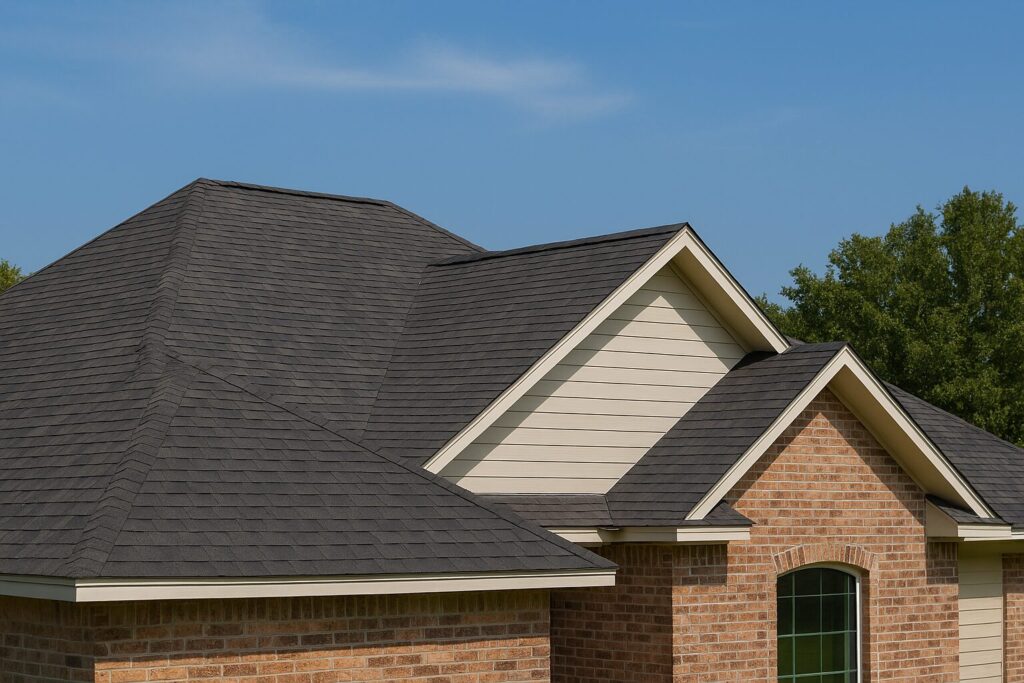
Texas is no stranger to extreme weather. From towering thunderstorms and hurricane-force winds along the Gulf Coast to powerful tornado systems sweeping across the plains, the Lone Star State demands more from residential roofing than almost anywhere else in the country. Homeowners who invest in wind-rated roofing systems aren’t just upgrading their homes — they’re making a critical decision that impacts safety, durability, insurance costs, and long-term property value.
At Wildwood Roofing & Construction, we specialize in building roofs that withstand Texas weather. In this comprehensive guide, we’ll break down everything you need to know about wind-rated roofing systems, why they matter, and how to choose the best solution for your home.
What Is a Wind-Rated Roofing System?
A wind-rated roofing system is designed and tested to resist specific wind speeds without sustaining damage such as shingle uplift, water infiltration, or structural failure. These systems are evaluated through rigorous testing standards and assigned ratings that indicate how well they perform under pressure.
Unlike standard roofing, wind-rated systems focus on:
- Enhanced fastening methods
- Stronger adhesive seals
- Reinforced roof decking
- Advanced edge protection
- Integrated underlayment systems
These features work together to create a roof that acts as a cohesive unit, rather than a collection of individual materials.
Why Wind Resistance Is Critical in Texas
Texas experiences a diverse mix of weather hazards:
1. Severe Thunderstorms
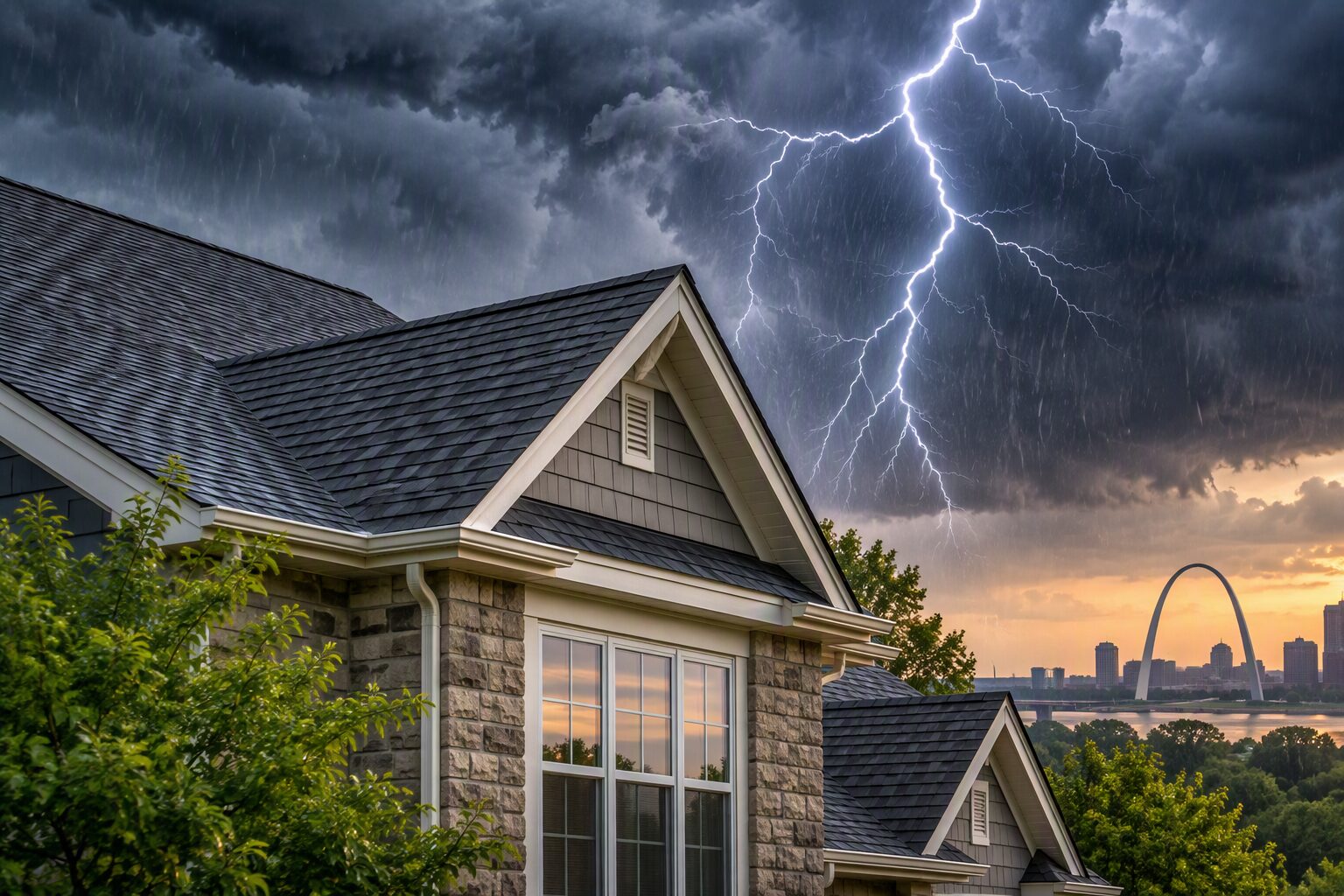
High winds from storm fronts often exceed 60–80 mph, and strong winds can not only lift shingles but also drive rain beneath vulnerable roofing materials, causing roof damage.
2. Hurricanes (Coastal Regions)
Hurricanes can bring sustained winds exceeding 100 mph, along with flying debris.
3. Tornadoes
While no roof can fully withstand a direct tornado hit, wind-rated systems significantly improve resilience against peripheral damage.
4. High Wind Zones
Many areas across Texas are classified as high-wind zones due to frequent severe storms, and because they face severe weather events more often, stronger roofing standards are essential.
Understanding Wind Ratings
Wind ratings are typically categorized by the maximum wind speed a roofing system can withstand:
| Rating Level | Wind Resistance | Best For |
|---|---|---|
| Standard | Up to 60–70 mph | Mild climates |
| Enhanced | Up to 90 mph | Moderate storm areas |
| High Wind | Up to 110–130 mph | Most Texas regions |
| Impact & Wind Rated | 130+ mph | Coastal / hurricane zones |
In Texas, particularly in regions like Houston, Dallas-Fort Worth, and Austin, homeowners should aim for roofing systems rated at least 110 mph or higher.
Components of a Wind-Rated Roofing System
A strong roof is more than just shingles. The entire system must be engineered for wind resistance.
1. Roof Decking
The foundation of your roofing system. It must be properly anchored to handle wind uplift forces, as uplift and negative pressure can stress the roof deck and the surrounding structure.
Key factors:
- Thickness of wood or material
- Nail spacing
- Structural integrity
2. Underlayment
Acts as a secondary barrier against water intrusion if shingles are compromised.
Best options for Texas:
- Synthetic underlayment (stronger than felt)
- Peel-and-stick water barriers
3. Starter Shingles
Installed along roof edges to prevent wind from lifting shingles at vulnerable points.
4. Shingles or Roofing Material
The outermost protective layer.
Wind-rated options include:
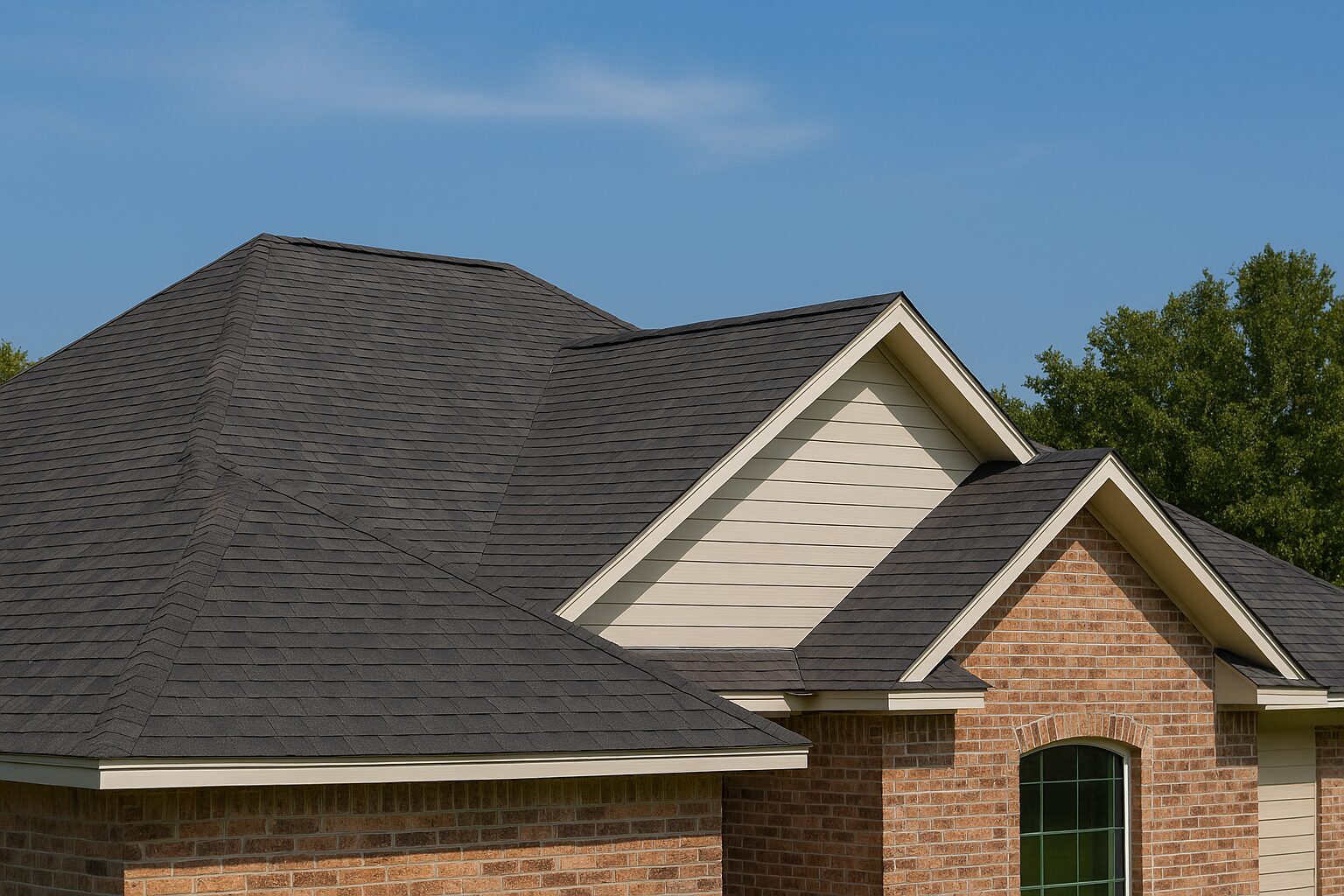
- Architectural shingles (typically 110–130 mph ratings); asphalt shingles are common but may offer less protection than some premium systems in extreme conditions
- Metal roofing (excellent wind resistance)
- Impact-resistant shingles
- Tile roofing (when properly installed)
Modern premium options can improve durability without sacrificing aesthetics. Materials tested when exposed to high wind and fire provide broader performance assurance.
5. Fastening Systems
Proper nailing patterns and adhesives are critical.
- Six-nail patterns vs. standard four-nail installation
- High-quality roofing nails
- Sealant strips that bond shingles together
6. Ridge Caps and Hip Protection
These areas are particularly vulnerable to wind.
Reinforced ridge systems prevent:
- Wind entry points
- Structural failure
7. Proper Installation
Even the best materials will fail without correct installation, and when professionals install the system, that is what allows it to perform as designed. This is where choosing a trusted roofing contractor or roofer makes all the difference.
Types of Wind-Rated Roofing Materials for Texas Homes
Asphalt Architectural Shingles
One of the most popular options for Texas homeowners.
Advantages:
- Affordable
- Wind ratings up to 130 mph
- Wide range of styles
Best for: Budget-conscious homeowners seeking reliable performance
Metal Roofing
Metal roofs are among the most durable wind-resistant options available.
Advantages:
- Wind resistance up to 140–180 mph
- Long lifespan (40–70 years)
- Energy efficient
A metal system can offer some of the best protection in severe weather conditions.
Best for: Homeowners prioritizing longevity and top-tier protection
Impact-Resistant Shingles
Engineered to withstand both wind and hail.
Advantages:
- Class 4 impact resistance
- Often qualify for insurance discounts, and many insurers also offer other insurance benefits for impact-resistant shingles
- Strong wind performance
Best for: Areas prone to hailstorms and severe weather
Tile Roofing
Common in certain Texas architectural styles.
Advantages:
- Extremely durable
- High wind resistance when properly fastened
Considerations:
- Heavier and may require structural reinforcement
Benefits of Wind-Rated Roofing Systems
1. Enhanced Home Protection
Your roof is your home’s first line of defense, helping protect the house from wind damage. Wind-rated systems reduce the risk of:
- Leaks
- Structural damage
- Interior damage
2. Lower Insurance Premiums
Many insurers offer discounts for:
- Impact-resistant roofs
- High wind-rated systems
3. Increased Property Value
A wind-rated roof is a major selling point in Texas real estate markets.
4. Reduced Maintenance Costs
Stronger materials and systems mean fewer repairs over time.
5. Peace of Mind
Knowing your home is protected during severe weather brings invaluable confidence.
Common Causes of Wind Roof Damage
Understanding what causes roof damage helps prevent it:
- Improper installation
- Aging shingles
- Weak adhesive seals
- Missing starter strips
- Poor ventilation
- Lack of maintenance
Signs Your Roof May Not Be Wind-Ready
Watch for these warning signs:
- Curling or lifting shingles
- Missing shingles after storms
- broken shingles
- Loose flashing
- Granule loss
- Water spots inside your home
After storms, check your home’s exterior for potential damage, then schedule a professional inspection if you notice any of these issues.
Building Codes and Texas Wind Requirements
Texas building codes vary by region, but many areas require:
- Minimum wind resistance standards
- Specific fastening techniques
- Approved roofing materials
Coastal regions often have stricter requirements due to hurricane exposure.
At Wildwood Roofing & Construction, our company ensures every job meets or exceeds local building codes, giving you maximum protection and compliance.
Installation Best Practices
A wind-rated system is only as good as its installation.
Key practices include:
- Proper nail placement and spacing
- Sealing shingles correctly
- Reinforced roof edges
- Installing starter strips
- Using high-quality materials
Roof Maintenance Tips for Maximizing Wind Resistance
Extend the life of your roof with simple maintenance:
- Schedule annual inspections, and after major storms request a free inspection to catch damage early, including debris or granules collecting in gutters
- Remove debris regularly
- Check flashing and seals
- Repair minor damage early
- Trim nearby trees
Why Choose Wildwood Roofing & Construction?
Choosing the right contractor is just as important as choosing the right materials.
Here’s what sets us apart:
Texas Weather Expertise– We understand the specific challenges Texas homes face.
Premium Wind-Rated Systems– We use top-tier materials designed for maximum durability.
Certified Installers– Our team follows industry best practices for every installation, supporting both residential and commercial roofing needs as a long-term roofing partner.
Comprehensive Inspections– We identify vulnerabilities before they become costly problems, including storm-related issues affecting customers’ roofs.
Customer-First Approach– Your satisfaction and safety are our top priorities, backed by a strong track record of satisfied customers.
Real-World Scenario: The Cost of Not Upgrading
Consider this:
A homeowner with a standard roof experiences a severe storm. Wind lifts the shingles, allowing water to enter the home. The result?
- Thousands in interior repairs
- Mold issues
- Increased insurance claims
Now compare that to a wind-rated roofing system:
- Minimal or no damage
- Reduced repair costs
- Faster recovery after storms
The difference is clear — investing upfront saves significantly in the long run.
The Future of Roofing in Texas
With weather patterns becoming more unpredictable, wind-rated roofing systems are no longer a luxury — they’re becoming a necessity.
Advancements in roofing technology continue to improve:
- Material strength
- Energy efficiency
- Storm resilience
Homeowners who invest today are better prepared for tomorrow.
Protect Your Home Today
Your roof is your home’s shield against the elements. In Texas, that shield needs to be strong, durable, and built to withstand high winds.
At Wildwood Roofing & Construction, we specialize in wind-rated roofing systems designed specifically for Texas homes. Whether you need a new roof, full roof replacement, inspection, or upgrade, our team is here to help you make the best decision for your property.
Don’t wait for the next storm to test your roof.
👉 Contact Wildwood Roofing & Construction today for a fast estimate.
Final Thoughts
Wind-rated roofing systems offer unmatched protection, durability, and long-term value for Texas homeowners. From material selection to expert installation, every detail matters — and that’s where Wildwood Roofing & Construction excels.
If you’re ready to upgrade your roof and safeguard your home, there’s no better time to act.
Wildwood Roofing & Construction — Building Stronger Roofs for Texas Homes.
Frequently Asked Questions
How much does a wind-rated roof cost?
Costs vary depending on material and home size, but the long-term savings often outweigh the initial investment.
Can I upgrade my existing roof?
Yes. Many homeowners choose to upgrade during roof replacement or after storm damage.
Do wind-rated roofs last longer?
Generally, yes. They are built with stronger materials and installation methods.
Are they worth it in non-coastal areas?
Absolutely. High winds occur throughout Texas, not just along the coast.
Popular Posts