Roof Repair vs Roof Replacement?
Roof Repair vs Roof Replacement?
Roof Repair vs Roof Replacement: What Makes Financial Sense?
For homeowners, few decisions feel as significant as what to do when a roof begins showing signs of damage. Whether it’s missing shingles, leaks after a storm, or visible aging, one question inevitably comes up:
Should you repair the roof or replace it entirely?
At first glance, repairing your roof may seem like the more affordable option. After all, replacing an entire roof is a larger investment. However, the right choice is not always about the lowest immediate cost—it’s about the long-term financial value, safety, and durability of your home.
At Wildwood Roofing & Construction, homeowners frequently ask which option makes the most financial sense. The answer depends on several key factors, such as repair costs compared to replacement, the age of your roof, and your future plans for the property.
In this guide, we’ll break down everything you need to know to make the smartest financial decision for your home.
Introduction to Roofing
A roof is one of the most important features of any home, acting as the first line of defense against rain, snow, wind, and sun. A well-built and properly maintained roof not only keeps your family safe and comfortable but also protects the structure of your house from costly repairs caused by water infiltration and weather damage.
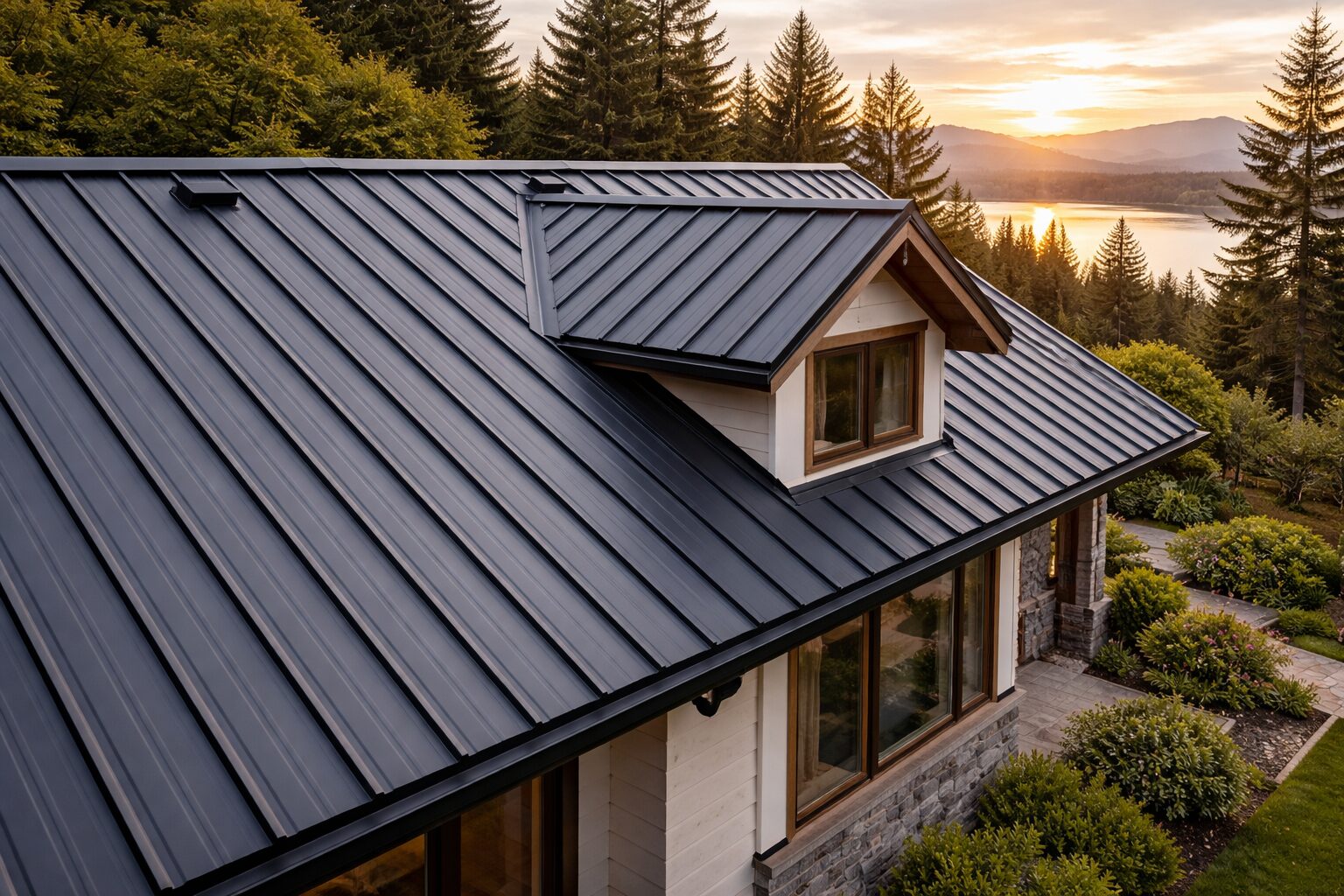
Homeowners have several roofing materials to choose from, with asphalt shingles and metal roofing being among the most popular. Most asphalt shingle roofs offer a balance of affordability and durability, with an expected lifespan of 15 to 30 years depending on the quality of installation, local weather conditions, and how well the roof is maintained. Metal roofing, while often more expensive upfront, can last even longer and provides excellent resistance to severe weather.
Regular roof inspection and roof maintenance are essential for extending the life of your roof. By scheduling periodic inspections and addressing minor repairs promptly, you can prevent small issues from turning into major, costly repairs down the road. Whether your home is topped with asphalt shingles or metal roofing, understanding your roof’s needs and staying proactive with maintenance will help you get the most value and protection from your investment.
Understanding the Difference Between Roof Repair and Roof Replacement
Before comparing costs, it’s important to understand the difference between these two options.
Roof repair involves fixing specific issues, such as leaks, damaged shingles, or minor structural problems, without replacing the entire roof. Roof replacement, on the other hand, means removing the old roofing materials and installing a completely new roof.
In some cases, especially when a roof is nearing the end of its lifespan, repairs may only serve as a temporary fix before a full replacement becomes necessary.
Roof Repair
Roof repair focuses on fixing specific damaged areas of the roof without replacing the entire structure. Common repairs include:
- Replacing damaged or missing shingles
- Repairing flashing around vents or chimneys
- Sealing leaks
- Fixing minor leaks or small leak areas
- Addressing minor wear or deterioration
- Fixing minor storm damage
- Repairing sections of the roof deck
Repairs are typically faster and less expensive than a full replacement.
Roof Replacement
Roof replacement involves removing the existing roofing materials and installing a completely new roofing system. This includes:
- Removing old shingles or roofing material
- Inspecting the roof deck
- Installing new underlayment
- Installing new roofing materials (including inspecting and ensuring the integrity of protective granules on shingles)
- Replacing pipe boots and ensuring proper waterproofing around vents and pipes
- Replacing flashing and ventilation components
While replacement costs more upfront, it can provide decades of long-term protection.
The Biggest Factor: Roof Age
The age of your roof plays a major role in determining whether repair or replacement makes financial sense.
Most asphalt shingle roofs last 15–30 years, depending on maintenance and environmental factors as well as climate and installation quality.
Here’s a simple rule many roofing professionals follow:
- Under 10 years old: Repairs often make financial sense
- 10–20 years old: Depends on damage and maintenance history
- 20+ years old: Replacement is often the smarter investment
A failing roof often exhibits frequent leaks and other warning signs, indicating that replacement may be necessary.
If your roof is nearing the end of its lifespan, repeated repairs may become a temporary solution that delays the inevitable.
Identifying Roof Damage
Spotting roof damage early is key to avoiding further deterioration and expensive repairs. Homeowners should regularly check for visible signs that their roof may need attention. Look for missing shingles, cracked shingles, or curling shingles—these are often the first indicators that roof repairs may be necessary. Water stains on ceilings or walls, musty smells inside the home, and the presence of algae growth or dark streaks on the roof surface can also signal underlying issues such as leaks or poor ventilation.
A professional roof inspection is invaluable for uncovering hidden problems that aren’t immediately obvious from the ground. Roofing professionals can assess the condition of the roof deck, check for damaged shingles, loose flashing, or areas where wood decking may be rotting. An honest assessment from a trusted expert ensures that all issues are identified before they lead to more severe problems like mold growth or structural damage.
Regular roof maintenance, such as cleaning gutters and inspecting the roof after severe weather, helps prevent roof damage and extends the lifespan of your roofing system. By staying vigilant and addressing repairs promptly, homeowners can protect their investment and avoid the headaches of unexpected, costly repairs.
When Roof Repair Makes Financial Sense
In many situations, repairing your roof is the most cost-effective solution.
1. Damage Is Limited to a Small Area
If a storm has damaged only a few shingles or a small section of the roof, repairs can restore protection without requiring a full replacement.
Examples include:
- Minor wind damage
- Small leaks
- Loose flashing
- Limited hail impact
Targeted repairs can extend the life of your roof without a large investment.
2. Your Roof Is Relatively New
If your roof is still within the first half of its lifespan, repairing damaged areas can be a smart financial decision.
A newer roof structure is typically still in good condition, making localized repairs effective.
3. Budget Constraints
Sometimes homeowners simply need a short-term solution while planning for a future replacement.
A professional repair can buy time while preventing further damage.
4. Insurance Covers Repairs
Storm damage claims sometimes result in insurance coverage for repair work rather than full replacement, and such claims may be covered under homeowners insurance policies.
If the damage is minor, repairs may be sufficient.
When Roof Replacement Makes More Financial Sense
While repairs may seem cheaper initially, there are situations where replacing the roof actually saves money over time. Comparing repair expenses to the replacement cost is a key part of deciding between roof repair vs roof replacement.
If repair costs exceed 30% of the price of a new roof, it is usually smarter to replace it instead.
1. The Roof Is Near the End of Its Life
Repairing a 22-year-old roof may only postpone replacement for a short time.
If the materials are already deteriorating, investing in repairs repeatedly can cost more than replacing the roof once.
2. Widespread Damage Exists
If damage appears in multiple areas across the roof, repairs become less effective.
Common signs of widespread deterioration include:
- Extensive granule loss
- Curling shingles
- Multiple leaks
- Large areas of storm damage
At this stage, replacement may be the smarter financial move.
3. Repeated Repairs Are Adding Up
Many homeowners find themselves repairing the roof every year or two.
While each repair may seem affordable individually, the cumulative cost over time can exceed the cost of replacement.
Replacing the roof eliminates this ongoing cycle and can save money in the long run by preventing the need for frequent repairs.
4. You Plan to Stay in the Home Long-Term
A new roof can last 20–30 years, providing long-term peace of mind.
For homeowners planning to stay in their property, replacement often delivers better long-term value.
Cost Comparison: Repair vs Replacement
While exact pricing varies by home size, materials, and region, here’s a general comparison.
Typical Roof Repair Costs
Minor repairs may include:
- Replacing shingles
- Fixing flashing
- Sealing leaks
Repair costs are usually a fraction of replacement costs, depending on the damage.
Typical Roof Replacement Costs
Full replacement costs depend on:
- Roof size
- Material type
- Structural repairs
- Labor and installation complexity
Although replacement requires a larger upfront investment, it often provides decades of protection.
Long-Term Financial Value of a New Roof
Replacing your roof isn’t just about stopping leaks—it can provide several financial benefits.
Increased Property Value
A new roof improves curb appeal and can increase resale value.
Potential buyers often see roof replacement as a major advantage when purchasing a home.
Improved Energy Efficiency
Modern roofing systems often include better insulation and ventilation components.
These upgrades can reduce heating and cooling costs.
Reduced Maintenance Costs
With a new roof, homeowners typically avoid repairs for many years.
This reduces long-term maintenance expenses.
Stronger Weather Protection
A modern roofing system provides better resistance against storms, wind, and hail. Modern roofing systems are specifically designed to withstand high winds, strong winds, heavy rain, and heavy snow, and trimming nearby tree branches can help prevent storm-related roof damage.
This can reduce future damage risks.
Warning Signs Your Roof May Need Replacement
If you notice several of the following issues, replacement may be the better investment.
Multiple Leaks
Recurring leaks often indicate widespread damage.
Shingles Are Curling or Cracking
This is a sign of advanced aging.
Large Amounts of Granules in Gutters
Granule loss weakens shingles and exposes them to weather damage.
Sagging Roof Sections
This could indicate structural problems with the roof deck.
Frequent Repairs
If you’ve repaired your roof multiple times in recent years, replacement may be more cost-effective.
The Hidden Cost of Waiting Too Long
Delaying roof replacement can create additional financial risks.
Small problems may lead to:
- Interior water damage
- Mold growth
- Damaged insulation
- Structural wood rot
Repairing interior damage can be far more expensive than addressing roofing issues early.
How Professional Roof Inspections Help You Decide
The best way to determine whether repair or replacement makes financial sense is through a professional inspection. It is important to consult a qualified roofing professional for thorough inspections and expert advice.
A roofing expert can evaluate:
- Overall roof condition
- Structural integrity
- Age of materials
- Extent of damage
- Future repair risks
Regular maintenance and inspections by a licensed roofing contractor can help identify issues early and prolong the lifespan of your roof. Hiring a licensed roofing contractor ensures you receive quality work, warranty protection, and compliance with local building codes and safety standards. A licensed contractor can also offer warranties and certifications that protect your investment.
This evaluation helps homeowners make informed decisions based on facts rather than guesswork.
Working with a Contractor
Choosing the right roofing contractor is essential for ensuring your roof is properly repaired or replaced. A reputable and experienced contractor will provide a thorough assessment of your roof’s condition, identifying issues such as damaged shingles, loose flashing, or deteriorating wood decking. They should offer a detailed estimate for any necessary repairs or a full roof replacement, and be able to explain the pros and cons of different roofing materials, including asphalt shingles and metal roofing.
When selecting a contractor, always verify that they are licensed, insured, and bonded. This protects you from potential liabilities and ensures the work meets industry standards. Ask about warranties on both materials and workmanship, as these can provide additional peace of mind.
Regular roof maintenance performed by a trusted roofing contractor can help prevent costly repairs and extend the life of your roof. Not only does a well-maintained roof protect your home from the elements, but it also enhances curb appeal and can boost your property’s resale value. By working with a skilled professional, you can be confident that your roof will continue to offer reliable protection and that your investment is secure for years to come.
Why Homeowners Choose Wildwood Roofing & Construction
Wildwood Roofing & Construction provides homeowners with honest guidance when deciding between roof repair and replacement.
Their experienced team evaluates the full roofing system to determine the best long-term solution.
Homeowners choose Wildwood for:
- Professional roof inspections
- Transparent recommendations
- High-quality roofing materials
- Experienced installation teams
- Reliable customer service
Whether your roof needs minor repairs or a full replacement, expert guidance ensures the right decision for your home and budget.
Wildwood Roofing & Construction also periodically provides special roof offers and promotions to help make roof repair or replacement more affordable for homeowners.
Smart Questions to Ask Before Making a Decision
When evaluating repair vs replacement, homeowners should consider:
- How old is the roof?
- Is the damage localized or widespread?
- How long do I plan to stay in the home?
- How often have repairs been needed recently?
- Will replacement improve energy efficiency?
Answering these questions helps determine the most financially responsible choice.
The Importance of Acting Early
Roof problems rarely improve over time.
Addressing issues early prevents:
- Water damage
- Structural deterioration
- Increased repair costs
Whether you choose repair or replacement, taking action sooner protects both your home and your finances.
Get Your Instant Roof Quote Today
If your roof is showing signs of damage or aging, the best first step is understanding your options.
Wildwood Roofing & Construction offers professional inspections and honest recommendations to help homeowners determine whether repair or replacement makes the most financial sense.
You can also get a fast estimate for your project using the Instant Quote Tool.
The process is simple and takes just minutes.
Get started today and find out what it would cost to repair or replace your roof so you can make the best financial decision for your home.
Use the Wildwood Roofing & Construction Instant Quote Tool today and take the first step toward protecting your home for years to come.
Popular Posts