How to Choose the Right Storm Damage Roofing Contractor After a Storm
How to Choose the Right Storm Damage Roofing Contractor After a Storm
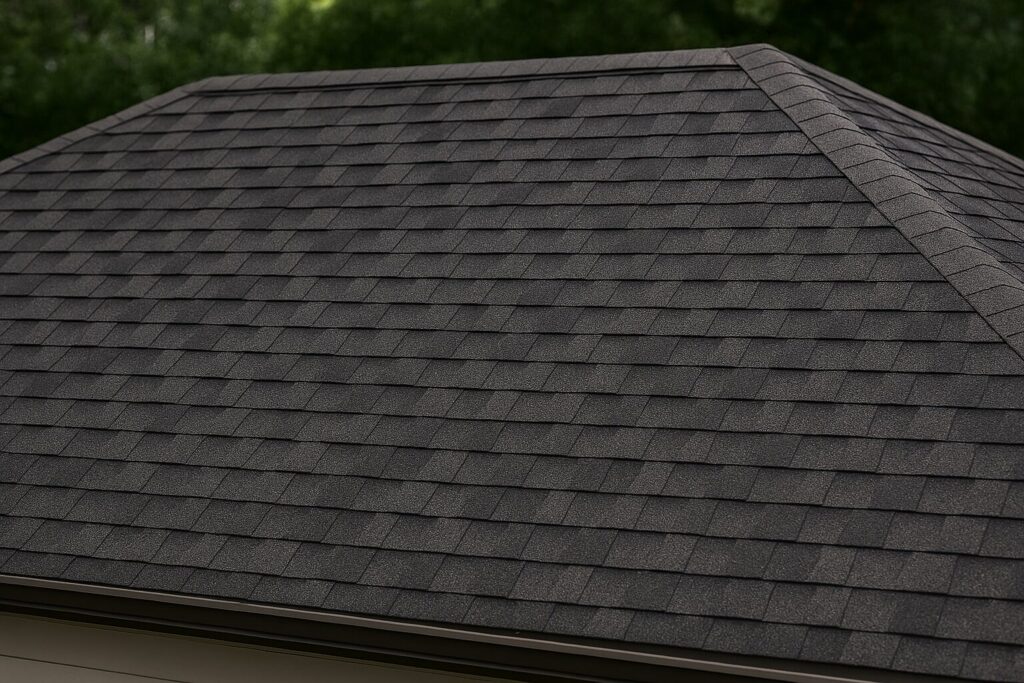
Severe storms can leave homeowners overwhelmed, anxious, and unsure of what to do next. High winds, hail, heavy rain, and falling debris can compromise your roof in ways that aren’t always visible from the ground—but delaying repairs or choosing the wrong contractor can lead to costly long‑term damage.
After a storm hits, roofing companies seem to appear overnight. Some are reputable, experienced professionals. Others are “storm chasers” looking to make quick money before disappearing. Knowing how to separate the two is critical to protecting your home, your finances, and your peace of mind. Choosing the wrong contractor increases the risk of property damage going unaddressed or improperly repaired, which can result in further complications and make insurance claims more difficult.
In this comprehensive guide, Wildwood Roofing & Construction explains exactly how to choose the right roofing contractor after a storm, what red flags to watch for, and how to ensure your roof repairs are done correctly the first time.
Why Choosing the Right Roofing Contractor Matters After a Storm
Your roof is your home’s first line of defense. After a storm, even minor damage can escalate into a damaged roof, leading to:
- Leaks and hidden water intrusion
- Mold and mildew growth
- Structural wood rot
- Insulation damage
- Decreased energy efficiency
- Voided manufacturer warranties
A qualified, reputable roofing contractor will not only repair visible damage but also identify underlying issues with your damaged roof that could cost you thousands down the road.
Unfortunately, storm damage also creates an opportunity for dishonest or inexperienced contractors to take advantage of homeowners during a stressful time.
Choosing wisely protects your investment.
Introduction to Storm Damage and Roof Vulnerabilities
Storms can strike with little warning, leaving your roof exposed to the elements and vulnerable to significant damage. The combination of high winds, heavy rain, and flying debris can quickly turn minor issues—like missing shingles or damaged flashing—into major problems that require costly repairs. The type of roofing materials on your home, as well as the age and overall condition of your roof, play a crucial role in how well it withstands severe weather. Even a small area of missing shingles or a section of damaged flashing can allow water to penetrate, leading to extensive damage beneath the surface. Understanding these vulnerabilities is the first step in protecting your home and avoiding expensive, long-term issues after a storm.
Understanding How Storms Affect Your Roof
Severe weather can wreak havoc on your roof in a matter of minutes. High winds are notorious for lifting or tearing away shingles, leaving exposed areas that are susceptible to leaks and further damage. Hail storms can bruise or crack roofing materials, knocking off protective granules and making your roof vulnerable to moisture intrusion. Heavy rain can exploit even the smallest weaknesses, leading to roof leaks and water stains inside your home. In colder climates, ice dams can form along the roof edge, causing water to back up under the shingles and resulting in significant damage to the roof deck and attic. Each type of storm brings its own set of risks, but all can lead to missing shingles, roof leaks, and the need for immediate attention to prevent more extensive—and expensive—damage.
Step 1: Prioritize Safety and Document the Damage
Before calling any contractor, focus on safety.
If you suspect structural damage, downed power lines, or other hazards, stay clear of the area and contact emergency services if necessary. Once it’s safe, you can begin to assess damage to your roof and property. Use binoculars to inspect from the ground—never climb onto a damaged roof. Look for:
- Missing, cracked, or curled shingles
- Dented or damaged flashing and gutters
- Debris, such as tree limbs, on the roof
- Water stains or leaks inside your home
Assessing the extent of roof damage involves a systematic check of your home’s exterior from the ground, followed by an interior inspection of the attic and living spaces for signs of leaks or water intrusion.
Take photos and detailed notes of all visible damage. This documentation will help both your insurance company and your roofing contractor assess the damage accurately, and it is important to document any visible damage after a storm by taking clear photos and notes, as this can assist in the insurance claims process.
What to Do Immediately After the Storm
- Stay off the roof—wet or damaged roofs are dangerous
- If safe, walk around your home and look for fallen shingles, debris, or siding damage
- Use binoculars to visually inspect your roof from the ground for missing shingles, exposed underlayment, or other obvious signs of damage
- Look for lifted shingles, loose shingles, curled shingles, and cracked shingles, as these are common indicators of storm damage
- Inspect surrounding shingles near any damaged areas to ensure they are intact and properly sealed
- Take clear photos and videos of all visible damage
- Check the attic for leaks or damp insulation
This documentation will help both your insurance company and your roofing contractor assess the damage accurately.
Step 2: Work with a Local Roofing Contractor You Can Trust
One of the most important decisions you’ll make is choosing a local roofing contractor for your storm damage roofing project, not a temporary out‑of‑state company.
Why Local Matters
- Local contractors are invested in their reputation
- They are familiar with regional weather patterns and building codes
- They provide reliable warranty support long after repairs are completed
- They are easier to contact if issues arise
Storm chasers often leave town within weeks, making follow‑up service nearly impossible.
Wildwood Roofing & Construction is a trusted local company, committed to serving homeowners with integrity, transparency, and long‑term accountability.
Step 3: Verify Licensing, Insurance, and Credentials
Never hire a roofing contractor without verifying their credentials. Just as you rely on your homeowners insurance to protect your property from storm damage roofing issues, you should ensure your contractor is properly insured. Make sure they are local, licensed, and carry both general liability and workers’ compensation insurance. This protects you from liability and ensures the contractor is qualified to handle your storm damage roofing repairs.
Essential Requirements
✅ Proper Licensing
✅ General Liability Insurance
Ask for proof—and verify it. A reputable contractor will gladly provide documentation. Proper contractor insurance not only protects you but also supports the insurance process for storm damage claims by ensuring all necessary documentation and requirements are met.
Why This Matters
- Protects you from liability if a worker is injured
- Ensures work meets state and local regulations
- Prevents financial loss from unqualified contractors
- Professional roofing contractors are familiar with local building codes and are insured against accidents and property damage during work, providing homeowners with added protection.
Hiring an uninsured or unlicensed roofer can put your home and finances at serious risk.
Step 4: Look for Storm Damage Expertise
Not all roofing contractors specialize in storm damage repairs. When it comes to roof storm issues, it’s crucial to choose a contractor with expertise in identifying and repairing roof storm damage caused by various types of storm. Severe thunderstorms, hurricanes, Nor’easters, and other storm damage storms can each result in different forms of storm related damage to your roof. For example, wind damage is one of the most common types of storm damage, often leading to lifted, torn, or completely removed roofing materials, which can leave your home vulnerable to water intrusion. Hail damage can cause bruising or cracking of shingles, especially on asphalt shingles and older roofs, increasing the risk of leaks and water infiltration. Impact damage occurs when heavy objects, such as falling branches, strike the roof during storms, potentially compromising structural integrity and creating immediate water intrusion risks. Understanding the specific types of storm and the resulting roof storm damage is essential for proper inspection, documentation, and repair after severe weather events.
What to Look For
- Experience with hail damage, wind damage, and water intrusion
- Knowledge of insurance claim processes
- Familiarity with storm‑resistant roofing materials
- Ability to identify hidden damage, including issues with metal flashing that may be bent, loosened, or torn away during storms
At Wildwood Roofing & Construction, storm restoration is a core service. Our team understands how storms impact roofing systems and how to repair them correctly—without shortcuts.
Step 5: Beware of Common Storm Repair Scams
After severe weather, scammers target homeowners aggressively. Be especially wary of contractors who claim to offer emergency services but cannot provide proper credentials or references. Always verify licensing, insurance, and check for reviews or complaints before hiring anyone.
Major Red Flags to Avoid
🚩 Door‑to‑door contractors demanding immediate decisions
🚩 Requests for full payment upfront
🚩 High‑pressure sales tactics
🚩 Unusually low estimates
🚩 No physical business address
🚩 Contracts with vague language
A trustworthy contractor will never rush you, pressure you, or avoid written documentation.
Step 6: Get a Detailed, Written Estimate
A professional roofing contractor should provide a clear, detailed estimate that outlines:
- Scope of work
- Materials to be used
- Labor costs
- Detailed repair costs
- Timeline
- Warranty information
Avoid verbal agreements or vague proposals. Everything should be documented.
Why Written Estimates Matter
- Prevent surprise charges
- Set clear expectations
- Provide protection in disputes
- Help insurance claim accuracy
Wildwood Roofing & Construction offers transparent, easy‑to‑understand estimates so homeowners know exactly what to expect.
Step 7: Understand the Insurance Claim Process
Storm damage often qualifies for insurance coverage, but the process can be confusing. It’s crucial to understand the claims process and the importance of filing a claim promptly after storm damage occurs. Contact your insurance company as soon as possible to file a claim before making major repairs. Most insurance policies require you to report storm damage within 24-48 hours of discovering it, though you typically have 1-2 years to file the actual claim depending on your state and policy terms.
A Reliable Roofing Contractor Will:
- Inspect your roof thoroughly—many contractors offer free inspections to help homeowners document storm damage for insurance claims.
- Provide documentation for your claim
- Assist during insurance adjuster inspections
- Advocate for necessary repairs—not just minimal fixes
Be cautious of contractors who promise a “free roof” or encourage insurance fraud. Ethical contractors work with insurers—not against them.
Step 8: Ask the Right Questions Before Hiring
Before signing a contract, ask these essential questions:
- How long have you been in business locally?
- Are you licensed and insured?
- Do you have storm damage references?
- What warranties do you offer on labor and materials?
- Who will be on‑site supervising the project?
- What is your cleanup process?
- If the damage is extensive, what is the process and what are the benefits of getting a new roof?
A reputable contractor will answer confidently and clearly.
Step 9: Review Online Reviews and Past Work
Online reviews provide valuable insights—when used correctly.
Tips for Evaluating Reviews
- Look for patterns, not just star ratings
- Read how the company responds to negative feedback
- Check Google, Facebook, and third‑party platforms
- Ask for local references and photos of past projects
Wildwood Roofing & Construction is proud of our customer satisfaction and proven track record.
Step 10: Choose Quality Materials, Not Just the Lowest Price
After a storm, it can be tempting to choose the cheapest estimate—but this often leads to future problems. When selecting roofing materials, pay close attention to the quality of the shingles, especially the shingle granules. These granules are essential for protecting the roof from UV damage and weathering, and high-quality granules help ensure better long-term resistance to storm damage.
Why Material Quality Matters
- Longer lifespan
- Better storm resistance
- Improved energy efficiency
- Stronger warranties
A good contractor explains material options and helps you make informed decisions—not rushed ones.
Step 11: Make Sure Warranties Are Clearly Explained
Roofing warranties are only valuable if the contractor stands behind them.
Two Types of Warranties
- Manufacturer’s Warranty – Covers materials
- Workmanship Warranty – Covers installation quality
Local contractors like Wildwood Roofing & Construction ensure warranties are valid and supported long‑term.
Step 12: Don’t Delay Repairs After Storm Damage
Even minor storm damage can worsen quickly. Delaying repairs increases the risk of structural damage to your roof and home, as water intrusion can compromise the integrity of the building. Interior damage may also occur, with signs such as yellow or brown water stains, bubbling paint, or damp spots appearing on ceilings and walls. These issues can escalate, leading to more costly repairs and complications with insurance claims. To prevent further water intrusion until permanent repairs can be made, homeowners should make temporary repairs, such as placing tarps over exposed areas or using roofing cement for small punctures.
Risks of Delaying Repairs
- Increased water damage
- Structural deterioration
- Higher repair costs
- Insurance claim denial due to neglect
Scheduling a professional inspection as soon as possible protects your home and your finances.
Understanding the Roof Repair Process After a Storm
Once the storm has passed, it’s essential to assess your roof for visible damage and determine the necessary repairs. Start by looking for obvious signs such as missing or broken shingles, damaged flashing, or areas where roofing materials appear loose or out of place. However, not all damage is immediately visible from the ground.
Moisture intrusion can occur through even the smallest gaps, leading to hidden problems like mold growth or wood rot. That’s why a professional inspection by a qualified roofing contractor is so important. An expert can identify both visible damage and less obvious issues, ensuring that all necessary repairs are addressed before they escalate. This thorough assessment is the foundation for a successful repair or replacement, helping you restore your roof’s integrity and protect your home from future storms.
What to Expect During Repairs
The repair process after a storm can range from simple fixes to a full roof replacement, depending on the extent of the damage. In some cases, temporary repairs—such as covering exposed areas with tarps or applying roofing cement to damaged shingles—may be needed right away to prevent further damage. Once the immediate risk is managed, your roofing contractor will recommend a plan for more extensive repairs.
This might include replacing damaged shingles, repairing or replacing damaged flashing, or addressing issues with the roof deck. If the damage is widespread, a full roof replacement may be necessary to ensure your home is fully protected. Throughout the repair process, a reputable contractor will keep you informed, use quality materials, and make sure all exposed areas are properly sealed to prevent moisture intrusion and future problems.
Preventing Future Storm Damage
Protecting your roof from future storms starts with proactive maintenance and smart upgrades. Regular inspections are key to catching issues like loose or damaged shingles, clogged gutters, or damaged flashing before they become major problems. Addressing these vulnerabilities promptly can save you from costly repairs down the road.
Upgrading to impact resistant shingles or other storm-ready roofing materials can also make a significant difference, providing extra protection against hail, wind, and flying debris. By investing in preventive measures now, you can reduce the risk of storm damage and extend the life of your roof, keeping your home safe and secure through whatever weather comes your way.
Storm-Ready Roofing Tips for Homeowners
Why Homeowners Trust Wildwood Roofing & Construction
At Wildwood Roofing & Construction, we understand that storm damage is stressful. Our mission is to make the recovery process smooth, honest, and dependable. By choosing the right contractor and addressing repairs promptly, homeowners can save money by preventing more costly damage in the future.
What Sets Us Apart
✔ Local, experienced professionals
✔ Storm damage specialists
✔ Transparent pricing
✔ Insurance claim support
✔ High‑quality materials
✔ Strong warranties
✔ Commitment to customer satisfaction
We don’t just repair roofs—we protect homes.
Your Next Step: Get Online Fast Quote
If your home has been impacted by a storm, don’t wait until small problems become major repairs—contact us for storm damage roofing services.
Wildwood Roofing & Construction offers free, no‑obligation storm damage roofing inspections. Our team of contractors will assess your roof, explain your options, and guide you every step of the way. Contractors offer free inspections to help you understand the extent of storm damage and the best solutions.
Get Fast Quote Today
Protect your home. Choose the right roofing contractor. Choose Wildwood Roofing & Construction.
Popular Posts