Best Roofing Materials for Hot, Humid Midwest Summers in Missouri

Best Roofing Materials for Hot, Humid Midwest Summers in Missouri
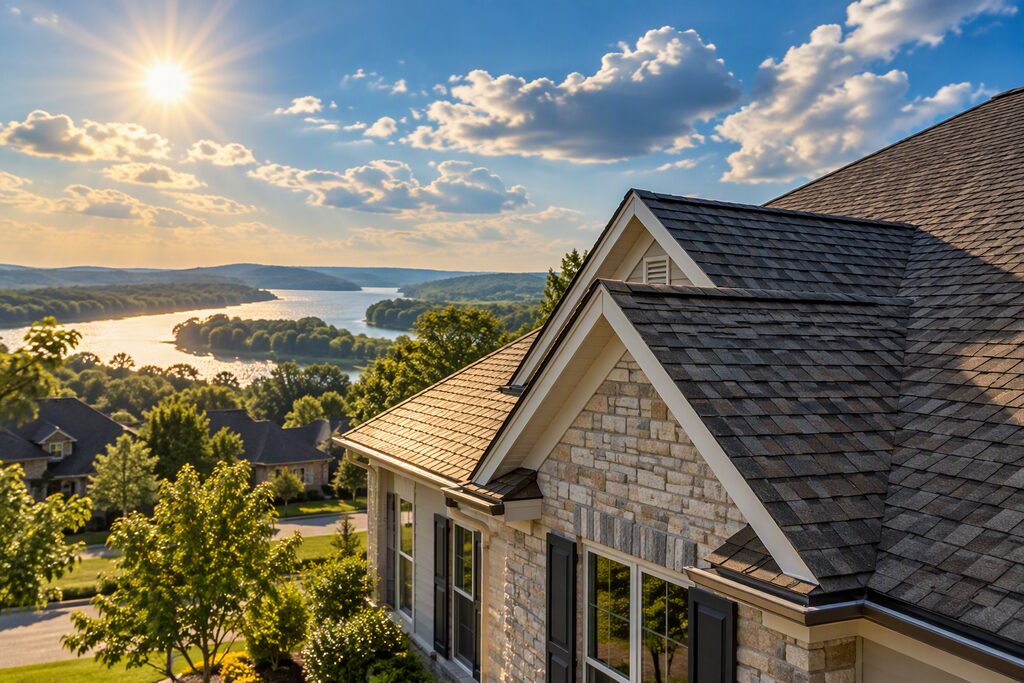
Missouri homeowners know that summer brings more than sunshine. High temperatures, intense UV exposure, humidity, heavy rains, strong winds, and sudden storms can all take a toll on a roof. Choosing the right roofing material is one of the most important decisions you can make to protect your home, improve energy efficiency, and reduce long-term maintenance costs.
Whether you’re replacing an aging roof or building a new home, understanding which roofing materials perform best in Missouri’s climate will help you make a smarter investment. In this guide, we’ll explore the best roofing options for hot, humid Midwest summers, compare their benefits and drawbacks, and explain how to choose the right system for your home.
Why Missouri’s Climate Demands the Right Roofing Material
Missouri experiences a unique combination of weather conditions that challenge roofing systems throughout the year. During summer, roofs face:
- Prolonged heat and direct sunlight
- High humidity levels
- Frequent thunderstorms
- Heavy rainfall
- Strong winds
- Hail events
- Rapid temperature fluctuations
These conditions can accelerate roof aging, cause shingles to deteriorate, promote mold growth, and increase cooling costs if the roofing system is not designed for the environment.
The best roofing materials for Missouri must provide:
- Heat resistance
- Moisture protection
- Storm durability
- Energy efficiency
- Long-term performance
Let’s examine which materials meet these requirements.
Asphalt Shingles: The Most Popular Choice for Missouri Homes
Asphalt shingles remain the most common roofing material across Missouri, and for good reason.
Advantages of Asphalt Shingles
Affordable Installation
Asphalt shingles offer one of the lowest upfront costs among residential roofing materials, making them accessible for most homeowners.
Strong Weather Resistance
Modern architectural shingles are engineered to withstand:
- High winds
- Heavy rain
- UV exposure
- Moderate hail impacts
Multiple Style Options
Homeowners can choose from a wide range of:
- Colors
- Textures
- Thicknesses
- Premium designer styles
Easier Repairs
If damage occurs, individual shingles can often be replaced without replacing the entire roof.
Best Asphalt Shingles for Hot Summers
Not all asphalt shingles perform equally in Missouri heat.
Look for:
- Architectural shingles
- Impact-resistant shingles
- Algae-resistant technology
- Reflective roofing granules
- High-wind ratings
These upgraded products can significantly increase lifespan and improve energy efficiency.
Potential Drawbacks
Standard three-tab shingles may:
- Absorb heat
- Have shorter lifespans
- Be more vulnerable during severe storms
For Missouri homeowners, investing in architectural or premium asphalt shingles is generally the better long-term choice.
Metal Roofing: One of the Best Materials for Missouri Heat
Metal roofing has become increasingly popular throughout the Midwest because of its exceptional durability and energy efficiency.
Benefits of Metal Roofing
Superior Heat Reflection
Unlike traditional roofing materials, metal reflects solar radiation rather than absorbing it.
Benefits include:
- Cooler attic temperatures
- Reduced AC usage
- Lower summer energy bills
Outstanding Longevity
A properly installed metal roof can last decades with minimal maintenance.
Excellent Moisture Resistance
Missouri’s humid summers create ideal conditions for mold and mildew. Metal roofing naturally resists:
- Rot
- Mold growth
- Moisture damage
Strong Storm Protection
Many metal roofing systems are designed to withstand:
- High winds
- Heavy storms
- Hail impacts
Common Metal Roof Types
Popular options include:
- Standing seam metal roofing
- Steel roofing panels
- Aluminum roofing systems
- Stone-coated steel roofing
Considerations
Metal roofing typically costs more upfront than asphalt shingles, but the longer lifespan and energy savings can provide substantial value over time.
Synthetic Roofing Materials
Modern technology has introduced synthetic roofing products that replicate the appearance of traditional materials while offering improved durability.
Advantages
Synthetic roofing materials are often:
- Lightweight
- Durable
- Moisture resistant
- Impact resistant
- Low maintenance
Many products mimic:
- Slate
- Wood shake
- Cedar shingles
Why They Work Well in Missouri
Synthetic materials are engineered to resist:
- Humidity
- UV rays
- Rain intrusion
- Temperature fluctuations
They can provide excellent curb appeal without many of the maintenance concerns associated with natural materials.
Composite Shingles: A Growing Favorite
Composite shingles blend various materials to create a stronger roofing product.
Benefits
Homeowners appreciate composite roofs because they offer:
- Enhanced durability
- Better weather performance
- Realistic appearance
- Improved impact resistance
Performance in Humid Conditions
Composite products resist:
- Warping
- Cracking
- Moisture absorption
- Mold growth
This makes them particularly attractive in Missouri’s humid environment.
Clay and Concrete Tiles
While less common in Missouri than in southwestern states, clay and concrete tiles offer outstanding heat resistance.
Benefits
Thermal Performance
Tile roofs help reduce heat transfer into the home.
Exceptional Longevity
Many tile roofs last for several decades when properly maintained.
Attractive Appearance
Tile roofing offers distinctive architectural beauty and premium curb appeal.
Limitations
Homeowners should consider:
- Higher installation costs
- Additional structural requirements
- Greater roof weight
Not every home can support tile roofing without structural reinforcement.
Cedar Shake Roofing
Cedar shake roofs offer natural beauty and traditional charm.
Advantages
Cedar provides:
- Natural insulation
- Attractive appearance
- Distinctive character
Challenges in Humid Summers
Missouri humidity can create issues for wood roofing, including:
- Moisture absorption
- Moss growth
- Rot potential
- Increased maintenance requirements
While cedar remains appealing, homeowners should understand the maintenance commitment before choosing it.
How Heat Affects Roofing Materials
Many roofing failures occur because homeowners underestimate the impact of summer heat.
High temperatures can cause:
Premature Aging
Constant UV exposure breaks down roofing materials over time.
Thermal Expansion
Roof components expand during the day and contract at night, creating stress throughout the system.
Increased Cooling Costs
Dark roofing materials absorb significant amounts of heat, causing air conditioning systems to work harder.
Choosing energy-efficient roofing materials can reduce these effects and help maintain indoor comfort.
Energy-Efficient Roofing Options for Missouri Homes
If lowering utility costs is a priority, consider these energy-saving solutions.
Cool Roof Systems
Cool roofing products are designed to reflect more sunlight and absorb less heat.
Benefits include:
- Lower roof surface temperatures
- Reduced cooling costs
- Improved indoor comfort
Reflective Shingles
Advanced reflective coatings and granules help reduce heat absorption.
Metal Roofing
Metal roofs remain among the most energy-efficient residential roofing options available.
Proper Ventilation
Even the best roofing material performs better when paired with:
- Ridge vents
- Intake vents
- Attic ventilation systems
Proper airflow reduces heat buildup and protects roofing components.
Important Factors Beyond Roofing Material
Material selection is only part of the equation.
Roof performance also depends on:
Professional Installation
Poor installation can shorten the lifespan of even the highest-quality roofing system.
Quality Underlayment
Roof underlayment provides an additional barrier against moisture intrusion.
Flashing Systems
Proper flashing protects vulnerable areas around:
- Chimneys
- Skylights
- Roof valleys
- Vent penetrations
Routine Maintenance
Regular inspections help identify problems before they become major repairs.
Signs It May Be Time for a New Roof
Missouri homeowners should watch for:
- Missing shingles
- Curling shingles
- Excessive granule loss
- Water stains on ceilings
- Roof leaks
- Sagging areas
- Storm damage
- Increasing energy bills
A professional inspection can help determine whether repairs or replacement are the best solution.
Which Roofing Material Is Best Overall for Missouri?
Every home is different, but the top performers for Missouri’s hot, humid summers are typically:
1. Metal Roofing
Best for:
- Energy efficiency
- Longevity
- Storm resistance
- Moisture protection
2. Architectural Asphalt Shingles
Best for:
- Affordability
- Reliability
- Wide design options
- Strong weather protection
3. Composite Roofing
Best for:
- Durability
- Low maintenance
- Premium appearance
The ideal choice depends on your budget, home style, long-term goals, and local weather exposure.
Protect Your Home with Expert Roofing Solutions
Missouri summers can be tough on your roof. From scorching temperatures and humidity to severe thunderstorms and heavy rainfall, your roofing system must withstand demanding conditions year after year. Choosing the right roofing material is one of the most effective ways to improve your home’s protection, comfort, and energy efficiency.
At Wildwood Roofing, we help homeowners select roofing systems designed to perform in Missouri’s climate. Whether you’re considering architectural shingles, metal roofing, or a complete roof replacement, our experienced team can provide expert recommendations and quality workmanship you can trust.
Contact Wildwood Roofing Today
If you’re concerned about the condition of your roof or want professional guidance on the best roofing material for your home, contact Wildwood Roofing today.
Book your inspection today, schedule a roofing inspection, and receive a same-day quote. Our team is ready to help you protect your home with durable, high-performance exterior solutions built for Missouri weather.
Popular Posts