Will Your Roof Survive Another Storm Season?

Will Your Roof Survive Another Storm Season?
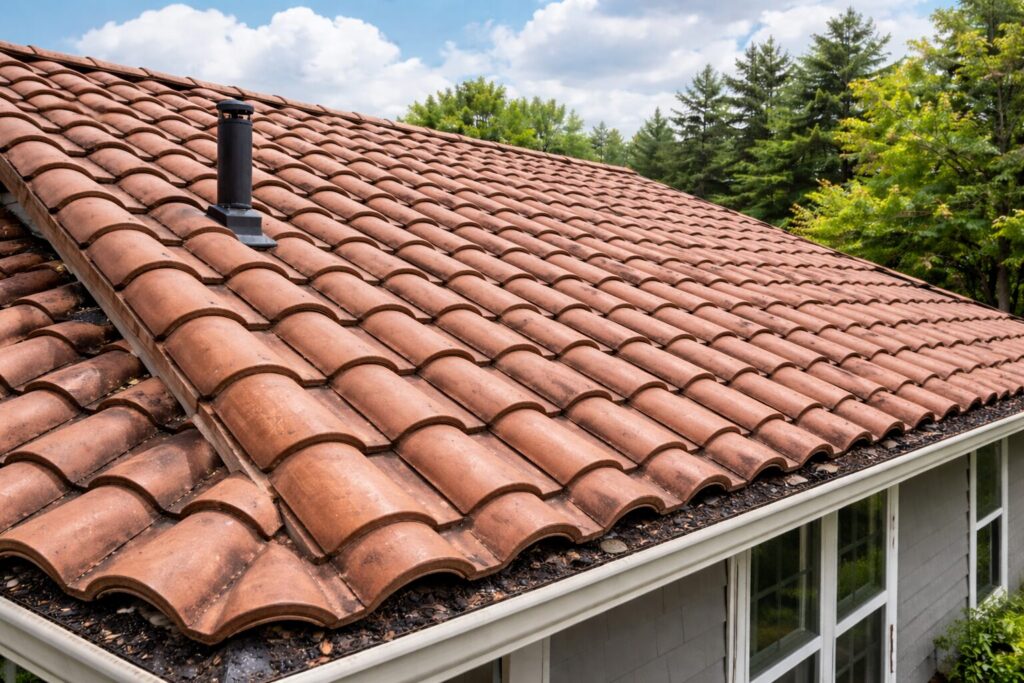
Signs of Roof Storm Damage: Will Your Roof Survive Another Storm Season?
Storm season doesn’t announce itself politely. It shows up with wind that lifts shingles, rain that finds weak seams, hail that bruises surfaces, and debris that tests every vulnerable edge of your home.
And here’s the reality most homeowners don’t want to hear:
If your roof is already showing signs of wear, it may not survive another storm season.
At Wildwood, we’ve seen it again and again. A roof that looked “fine” in spring becomes a major emergency by late summer. A minor issue becomes structural damage. A small leak becomes a full interior restoration project.
The good news? Roof failure almost always leaves warning signs first.
This guide will walk you through the clearest indicators that your roof may not withstand another storm season — and what to do before the next system rolls in.
Why Storm Season Exposes Roof Weakness Fast
Storms don’t create problems from scratch. They exploit what’s already there.
Wind targets loose shingles. Rain finds compromised flashing. Hail attacks brittle materials. Heat expands weak sealants.
When roofing systems age, their ability to resist these forces declines. The entire roofing system, including shingles, underlayment, and structural supports, can be affected, and systemic failure may occur if the roofing system is compromised. Even a roof that hasn’t technically “failed” can become vulnerable long before it leaks.
Understanding the warning signs early gives you options. Waiting until water enters your attic means you may have reached a point where repairs are no longer effective.
Your Roof Is 12–20+ Years Old
Age alone doesn’t guarantee failure — but it dramatically increases risk.
Most asphalt shingle roofs last between 15 and 30 years, depending on maintenance and climate. Regular maintenance and early detection of issues can help extend your roof’s life.
Most asphalt shingle roofs have a practical lifespan between 15–25 years, depending on:
- Climate conditions
- Installation quality
- Ventilation
- Storm exposure history
- Material grade
If your roof is approaching the 15-year mark and you’ve experienced multiple storms, the protective layers may be thinning even if it still looks intact from the ground.
Older shingles become:
- Brittle
- Less flexible in wind
- More prone to cracking
- More susceptible to granule loss
- Less resistant to hail impact
Storm season doesn’t treat aging roofs gently.
If you’re unsure of your roof’s age, a professional inspection can estimate remaining life and structural integrity.
Shingles Are Curling, Lifting, or Buckling
This is one of the most visible early signs that your roof won’t handle high winds.
Curling shingles indicate:
- Advanced aging
- Heat damage
- Moisture infiltration
- Improper ventilation
- Adhesive failure
When shingles curl or lift, wind can get underneath them. Once wind catches the edge, entire sections can tear off during a single storm event.
Buckling shingles may signal:
- Deck movement
- Improper installation
- Underlayment issues
Either way, these are red flags before storm season.
Missing or Damaged Shingles
Even a single missing shingle creates vulnerability.
Hail often leaves circular dents or bruises on shingles, which can be a sign of storm damage.
Storms use weak spots as entry points. Once wind removes a few shingles, the exposed underlayment becomes vulnerable to water intrusion. If underlayment fails, decking becomes exposed.
The result?
- Interior ceiling stains
- Mold growth
- Insulation damage
- Structural rot
If you’ve noticed missing tabs or visible damage from a prior storm, do not wait until the next storm tests it again. Documenting roof damage with photos and videos is essential to support an insurance claim.
Excessive Granule Loss
The granules act as a protective layer on shingles, shielding them from UV exposure and weathering.
Signs of granule loss include:
- Bald spots on shingles
- Granules collecting in gutters
- Dark patches on roof slopes
- Uneven coloration
When this protective layer is lost, the roof becomes exposed to UV damage, brittleness, and accelerated aging.
Without granules, shingles age rapidly. UV exposure accelerates breakdown, making shingles brittle and prone to cracking in hail or wind events.
If your gutters are filled with roofing granules after heavy rain, that’s not normal aging — it’s deterioration.
Soft Spots or Spongy Areas
If walking on your roof reveals soft or spongy areas (or you notice sagging from below), that indicates compromised decking.
Deck damage can result from:
- Long-term moisture infiltration
- Undetected leaks
- Improper ventilation
- Prior storm damage
A weakened roof deck reduces the entire structure’s ability to resist uplift pressure during storms.
Storm winds apply force upward. If decking attachment is compromised, uplift risk increases dramatically.
Leaks or Water Stains in the Attic
Interior warning signs often appear before visible roof damage.
Look for:
- Brown ceiling stains
- Peeling paint
- Damp attic insulation
- Musty odors
- Mold growth
- Rusted nails protruding through decking
Inspecting the attic for water stains can indicate roof damage. If you notice daylight or beams of light visible through roof beams or attic structures, this daylight visible is a sign that your roof may need replacing.
Even small leaks weaken structural integrity over time.
Storm season will amplify minor leaks into active water intrusion events.
Roof Flashing Deterioration
Flashing protects vulnerable transition areas:
- Chimneys
- Skylights
- Roof valleys
- Pipe penetrations
- Roof-to-wall connections
The Roof Flashing is designed to direct water away from these vulnerable areas on the roof, preventing leaks and structural damage.
If flashing is:
- Cracked
- Rusted
- Lifting
- Improperly sealed
- Detached
Water will find its way in during wind-driven rain.
Flashing failures are one of the most common causes of storm-related leaks.
Your Roof Has Survived Multiple Storm Seasons Already
Even if you don’t see obvious damage, repeated storm exposure weakens materials over time.
Hail impacts create microfractures that aren’t always visible from the ground. Wind stress loosens adhesives. Heat cycling fatigues sealants.
Just because your roof “made it” last season doesn’t mean it’s ready for another.
Storm fatigue is real.
Sagging Rooflines
A sagging ridge or uneven roofline suggests structural compromise.
This can indicate:
- Deck rot
- Framing damage
- Long-term water intrusion
- Excessive weight stress
Structural sagging reduces wind resistance and increases collapse risk during severe weather.
This requires immediate evaluation.
Ice Dam History (In Cold Regions)
If your home experiences winter freeze-thaw cycles and you’ve had ice dams before, storm season can worsen underlying vulnerabilities.
Ice dams indicate:
- Ventilation imbalance
- Heat escaping into attic
- Poor insulation coordination
These same weaknesses affect overall roof durability during heavy rain events.
Mold, Mildew, or Moss Growth
Surface growth can trap moisture against shingles, accelerating deterioration. Algae growth, visible as green stains or streaks, can also trap moisture and damage the roof. Dark streaks on shingles are often caused by algae and can indicate underlying moisture problems.
While moss itself doesn’t destroy roofs instantly, prolonged moisture retention weakens shingle layers and underlayment.
Storm winds can then lift softened shingles more easily.
Using algae-resistant shingles can help prevent moss and algae growth, protecting the roof from moisture retention.
Improper Installation Details
Even newer roofs can fail if installed incorrectly.
Common issues include:
- Incorrect nail placement
- Insufficient fastening
- Poor valley installation
- Inadequate drip edge
- Inconsistent underlayment overlap
Installation quality directly impacts storm performance.
Poor Ventilation
Ventilation affects:
- Shingle lifespan
- Moisture buildup
- Energy efficiency
- Deck integrity
Improper airflow causes heat accumulation and condensation. Over time, this weakens adhesives and decking, making storm resistance less reliable.
Gutter and Downspout Maintenance: The Overlooked Weak Link
When it comes to roof maintenance, gutters and downspouts are often the unsung heroes—or the weakest link if neglected. In the St. Louis area, where Wildwood Roofing & Construction serves homeowners, clogged gutters can quickly turn a minor issue into a major headache. When gutters fill with leaves, pine needles, or debris, water can back up under your shingles, saturating the roof decking and fascia. This not only increases the risk of leaks but can also lead to costly repairs to both your roof and your home’s structure.
Regular gutter cleaning is essential, especially if your property is surrounded by trees. While gutter guards can help minimize clogs, they don’t eliminate the need for seasonal maintenance. A professional roof inspection can spot early warning signs of gutter-related problems—like water stains on the fascia or signs of moisture near the roofline—before they escalate. Homeowners can help by keeping gutters clear, but for thorough maintenance and peace of mind, it’s wise to call in the experts. Protect your roof, your investment, and your home by making gutter and downspout care a regular part of your roof maintenance routine.
Importance of Regular Maintenance for Roof Longevity
The secret to a long-lasting roof isn’t just quality materials—it’s regular maintenance. Homeowners who invest in routine roof inspections and upkeep can often avoid the need for a full roof replacement and extend the expected lifespan of their asphalt shingles. Regular maintenance tasks, such as trimming overhanging tree branches and cleaning gutters, help prevent damage from falling debris and water buildup. These simple steps can stop small issues, like missing shingles or granule loss, from turning into costly repairs.
A professional roof inspection is invaluable for catching early signs of trouble, such as cracked flashing or subtle wear that might go unnoticed from the ground. By addressing these issues promptly, homeowners can avoid the domino effect that leads to widespread damage and premature replacement. Regular maintenance not only protects your roof but also safeguards your home’s value and your peace of mind. Don’t wait for visible signs of damage—make maintenance a habit and keep your roof performing at its best for years to come.
Professional Roof Services: When to Call the Experts
Some roofing issues are best left to the professionals. If you notice missing shingles, active leaks, or water stains inside your home, it’s time to call in a roofing expert for a thorough inspection and prompt repairs. Planning to sell your home? A professional roof inspection can uncover hidden problems and provide documentation that may help in negotiations with buyers.
Homeowners who need help with maintenance tasks—like cleaning gutters or trimming overhanging tree branches—can also benefit from professional services. In the St. Louis area, Wildwood Roofing & Construction offers comprehensive solutions, from roof repair and replacement to storm restoration. Don’t wait for minor issues to become major headaches; trust the experts to keep your roof in top condition and your home protected.
Peak Storm Season: Why Timing Matters
In regions like St. Louis, where heavy rain, hail, and strong winds are common, timing your roof maintenance and repairs is critical. Peak storm season can put even a small vulnerability to the test, turning a minor issue into a need for full roof replacement. Homeowners who wait until the last minute often face higher costs, longer wait times, and more extensive damage.
By scheduling regular maintenance and roof inspections before storm season hits, you can address potential problems early and protect your investment. Wildwood Roofing & Construction offers a full range of services—including inspection, repair, and replacement—to help homeowners prepare for whatever the weather brings. Don’t let the next storm catch you off guard; proactive care is the most cost-effective way to ensure your roof stands strong all season long.
Your Neighbors Are Replacing Their Roofs
If multiple homes in your neighborhood are replacing roofs due to storm damage or aging, it may signal similar exposure risks for your property.
Roof systems in the same development often age similarly.
What Happens If You Ignore the Signs?
When storm season hits a compromised roof, consequences escalate quickly:
- Wind tears shingles away
- Rain enters decking layers
- Insulation becomes saturated
- Ceilings stain and collapse
- Mold spreads
- Electrical systems risk damage
- Structural repairs become necessary
The difference between proactive replacement and emergency restoration can be thousands of dollars — and weeks of disruption.
Repair vs Replacement: How to Decide
Not every warning sign means full replacement.
Deciding between a roof repair vs. replacement often comes down to a balance of immediate cost and long-term structural integrity.
Repairs may be appropriate if:
- Damage is localized
- Roof is under 10–12 years old
- Decking remains intact
- Ventilation is balanced
Repairs are ideal for isolated damage covering less than 25% of the roof, while replacement is best when repairs would cost 50% or more of a full replacement.
Replacement may be smarter if:
- Multiple areas show aging
- Shingles are brittle across slopes
- Granule loss is widespread
- Flashing failures are systemic
- Deck integrity is questionable
- Roof is near end of lifespan
- If repair costs exceed 30% of the price of a new roof, a full replacement is typically the better choice.
- If your roof is over 20 years old, has cracked or curling shingles, water stains, or sagging deck areas, it’s time to consider a full roof replacement.
- Widespread deterioration, water intrusion, or a sagging deck all indicate systemic failure.
Roof replacement costs can vary widely depending on materials and labor. A new roof improves ventilation, reduces HVAC strain, and stabilizes indoor temperatures. Replacing your roof early ensures full replacement cost coverage with insurance, as insurance companies often reduce coverage on roofs older than 20 years or switch to Actual Cash Value (ACV) reimbursement. A new roof can also lead to home insurance discounts, especially if made with impact-resistant materials, so check with your homeowners insurance provider.
A professional evaluation determines the right path.
Storm Season Preparation Checklist
Before storm season:
- Schedule a professional roof inspection. After major storms, consult a roofing professional to identify hidden damage.
- Clear gutters and downspouts.
- Trim overhanging tree branches. This can prevent them from scraping shingles or breaking in wind gusts during storms.
- Use binoculars for a ground-level inspection to safely assess roof damage.
- Address minor roofing vulnerabilities before storm season to help extend the roof’s life and prevent major damage.
- Document current roof condition.
- Check attic for leaks or moisture. Regular attic inspections can help minimize the risk of long-term water damage.
- Perform regular maintenance and inspections to minimize the risk of leaks and water damage during storm season.
- Review insurance coverage.
Preparation is protection.
Why Wildwood Focuses on Storm-Ready Roofing Systems
At Wildwood, we don’t just install shingles.
We build roofing systems designed for performance under pressure. The integrity of the entire roofing system is critical for storm resilience, as issues like buckling, warping, or structural deterioration can compromise the roof’s ability to withstand severe weather.
That includes:
- Proper decking evaluation
- Reinforced attachment methods
- High-performance underlayment
- Impact-resistant material options
- Enhanced flashing installation
- Balanced ventilation systems
- Thorough inspection documentation
Storm season isn’t about aesthetics. It’s about resilience.
We assess:
- Age
- Climate exposure
- Storm history
- Structural integrity
- Ventilation performance
- Insurance environment
And we provide honest recommendations — repair when possible, replace when necessary.
The Cost of Waiting
Homeowners often delay roofing decisions because:
- The roof isn’t actively leaking.
- Damage seems minor.
- Replacement feels expensive.
- Storm season hasn’t started yet.
But here’s the truth:
Roof replacement is far less disruptive than interior restoration after water damage.
Emergency repairs cost more.
Material shortages increase pricing.
Storm-season scheduling delays extend timelines.
Preparation is almost always less expensive than reaction.
Final Thoughts: Know Before the Storm Hits
Your roof tells a story before it fails.
Curling shingles.
Granule loss.
Soft decking.
Flashing cracks.
Attic moisture.
Sagging lines.
Storm season will test every weakness.
The question isn’t whether storms are coming.
It’s whether your roof is ready.
Schedule Your Wildwood Storm-Readiness Inspection Today
If you’ve noticed any of these warning signs — or if your roof hasn’t been inspected in the past 12–24 months — now is the time to act.
Wildwood offers professional roof inspections designed to identify vulnerabilities before storm season begins. We provide clear, honest assessments and straightforward recommendations so you can make confident decisions.
Whether your roof needs minor repairs or a full storm-ready replacement, we’ll guide you through the best solution for your home and budget.
Don’t wait for missing shingles or interior water damage to tell you what your roof already knows.
Use our Instant Quote Tool today and enter storm season with confidence.
Popular Posts