5 Common Causes of Roof Leaks and Water Intrusion (And What Homeowners Can Do About Them)

5 Common Causes of Roof Leaks and Water Intrusion (And What Homeowners Can Do About Them)
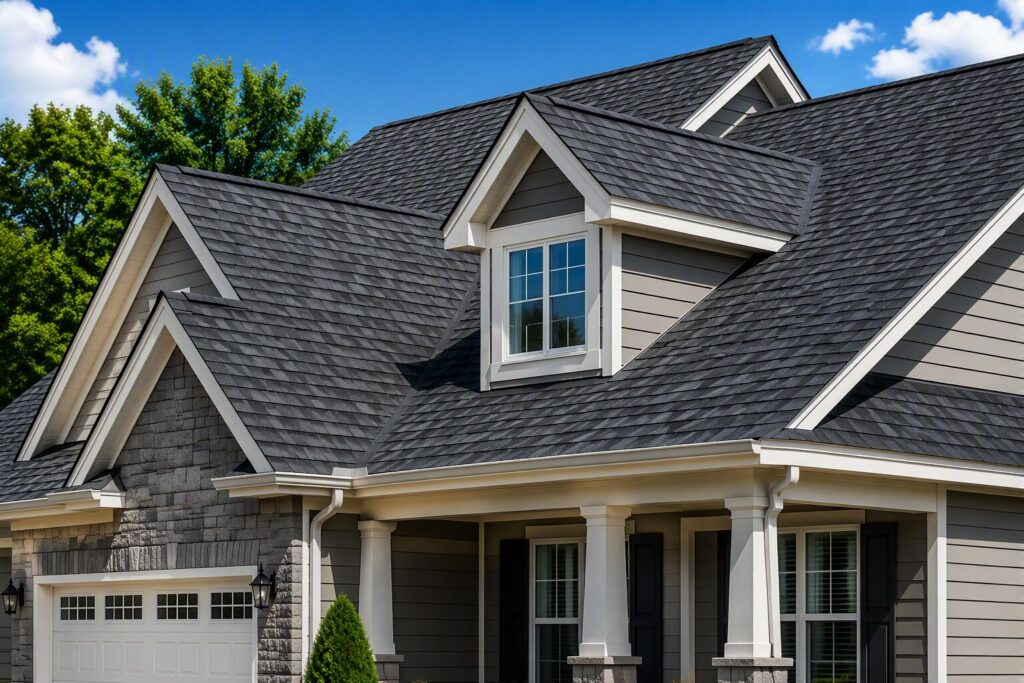
Water stains on the ceiling, peeling paint, mold growth, or damp attic insulation often start with a small roof leak. Unfortunately, what appears to be a minor issue can quickly lead to structural damage, higher energy bills, and costly repairs if left unaddressed.
At Wildwood Roofing, we regularly help homeowners identify the source of roof leaks before they turn into major problems. Understanding the most common causes of water intrusion can help you protect your home and avoid expensive surprises.
1. Damaged or Missing Shingles
Roof shingles serve as your home’s first line of defense against rain, wind, and moisture. Over time, there are several reasons shingles fail, and severe storms can damage shingles and lead to roof leaks as weather, hail, strong winds, and aging cause them to crack, curl, loosen, or disappear altogether.
When shingles are compromised, water can penetrate the underlying roofing materials and eventually enter your home. From the ground, homeowners may sometimes find missing or damaged shingles during a visual inspection.
Warning Signs:
- Missing shingles after a storm
- Curling or buckling shingles
- Granules accumulating in gutters
- Water stains on ceilings or walls
What Homeowners Can Do:
Perform a visual inspection of your roof from the ground after severe weather, as one of the simplest tips to help homeowners find obvious shingle problems without risking their safety. Damaged or missing shingles are one of the common reasons to schedule a professional roof inspection, especially if your ability to spot the full extent of the issue is limited from the ground. Prompt repairs can prevent water from reaching the roof deck and attic.
2. Damaged Flashing Around Roof Penetrations
Flashing consists of thin metal materials installed around chimneys, skylights, roof vents, and roof valleys, along with other critical drainage details. Its purpose is to create a watertight seal in vulnerable areas where water naturally collects, and faulty roof vents are a common cause of roof leaks.
Over time, flashing can:
- Rust or corrode
- Pull away from roofing materials
- Crack due to temperature fluctuations
- Sustain storm-related damage
Even a small gap in flashing can allow significant water intrusion during heavy rainfall.
Warning Signs:
- Leaks near chimneys or skylights
- Water stains in isolated areas
- Visible rust or separation around roof penetrations
What Homeowners Can Do:
Have flashing inspected during routine roof maintenance by a qualified roofing contractor. Clear documentation of flashing issues helps homeowners understand whether re-sealing or replacement is needed, and it is often far less expensive than repairing water damage inside the home.
3. Clogged or Improperly Functioning Gutters
Many homeowners don’t realize that their gutter system directly impacts roof performance.
When gutters become blocked with leaves, debris, and sediment, water cannot flow away properly. Keeping gutters free of debris helps prevent leaks by stopping water from backing up and entering under shingles and around fascia boards, where it can cause wood rot.
Warning Signs:
- Overflowing gutters during rainfall
- Sagging gutter sections
- Standing water near the roofline
- Peeling exterior paint
What Homeowners Can Do:
Clean gutters regularly and keep downspouts and drainage areas clear, especially if your property has mature trees. Consider installing gutter guards to reduce debris buildup and improve drainage, which helps stop water from entering vulnerable roof edges.
4. Aging Roofing Materials
Every roofing system has a limited lifespan.
As roofing materials age and deteriorate, roof leaks often occur because they become less effective at repelling moisture and withstanding extreme weather conditions. Even if the roof appears intact, years of exposure to sun, wind, rain, and temperature fluctuations can weaken its protective capabilities and reduce overall durability.
- Metal roofing: A metal roof sheds water efficiently and resists wear, which can help extend service life.
Typical Lifespans:
- Asphalt shingles: 20-30 years
- Architectural shingles: 25-40 years
- Metal roofing: 40-70 years
Warning Signs:
- Frequent repairs
- Widespread shingle deterioration
- Roof sagging
- Persistent leaks: If leaks keep returning or appear in multiple areas, the damage may be widespread enough that it’s time to replace the roof rather than keep patching it.
What Homeowners Can Do: Roof Repairs and Maintenance
If your roof is nearing the end of its expected lifespan, schedule a professional assessment. A typical replacement can take 2 to 7 days, and roof replacement depends on factors like your home’s size, materials, and location. In many cases, proactive replacement is more cost-effective than ongoing roof repairs and emergency leak mitigation.
5. Poor Attic Ventilation and Moisture Buildup
Not all roof leaks originate from outside damage.
Poor attic ventilation can trap heat and moisture, leading to condensation that mimics the symptoms of a roof leak, and it can also contribute to ice dams that lead to winter leaks. Over time, excessive moisture can damage insulation, wood framing, and roofing materials and reduce the support your roofing system provides.
Warning Signs:
- Mold or mildew in the attic
- Damp insulation
- Musty odors
- Excessive attic heat
What Homeowners Can Do:
Ensure your attic has adequate intake and exhaust ventilation. A roofing professional can evaluate your ventilation system and recommend improvements, including better ventilation and energy-efficient shingles that reflect sun’s rays and absorb less heat, to protect your roof while improving comfort, energy efficiency, and benefits.
Why You Should Never Ignore a Roof Leak and Water Damage
Even a small leak can lead to:
- Structural wood damage
- Mold and mildew growth
- Insulation deterioration
- Interior ceiling and wall damage
- Increased heating and cooling costs
Water infiltration is clear evidence of roof leaks, and the longer it continues, the more extensive and expensive repairs become.
Many homeowners discover that what started as a minor leak has already caused hidden damage beneath the roof surface long before visible signs appear inside the home. The true source often sits higher than the spot where water becomes visible indoors. Emergency roof repairs can respond fast to stop active leaks and limit further interior damage.
When to Schedule a Professional Roofing Contractor for Roof Inspection
You should arrange a roof inspection if you notice, as regular visual inspections can identify missing or damaged shingles before leaks worsen:
- Water stains on ceilings or walls
- Missing or damaged shingles
- Leaks following heavy rain
- Sagging roof sections
- Signs of damaged plywood roof decking, which warrant prompt professional evaluation
- Gutters overflowing during storms
- An aging roof approaching replacement age
Regular inspections can identify potential issues before they result in significant water damage, including around skylights, panels, and other roof access points.
Trust Wildwood Roofing to Protect Your Home
At Wildwood Roofing, we help homeowners identify leaks, assess storm damage, and develop cost-effective solutions to keep their homes protected year-round.
Whether you need a simple repair, a comprehensive roof inspection, or guidance on replacement options, our experienced team is here to help.
Schedule Your Roof Inspection Today
Don’t wait until a small leak turns into a major repair.
Book a professional roof inspection with Wildwood Roofing today.
Use our Instant Online Quote Tool to get a fast, convenient estimate for your roofing project.
Our team offers professional services from experienced, insured contractors who will evaluate your roof, identify potential problem areas, and provide honest recommendations to help you protect your investment.
Our estimate page can help you review project details, price, and financing options.
Popular Posts