Hail Damage Roof Repair St Louis: Signs You Shouldn’t Ignore
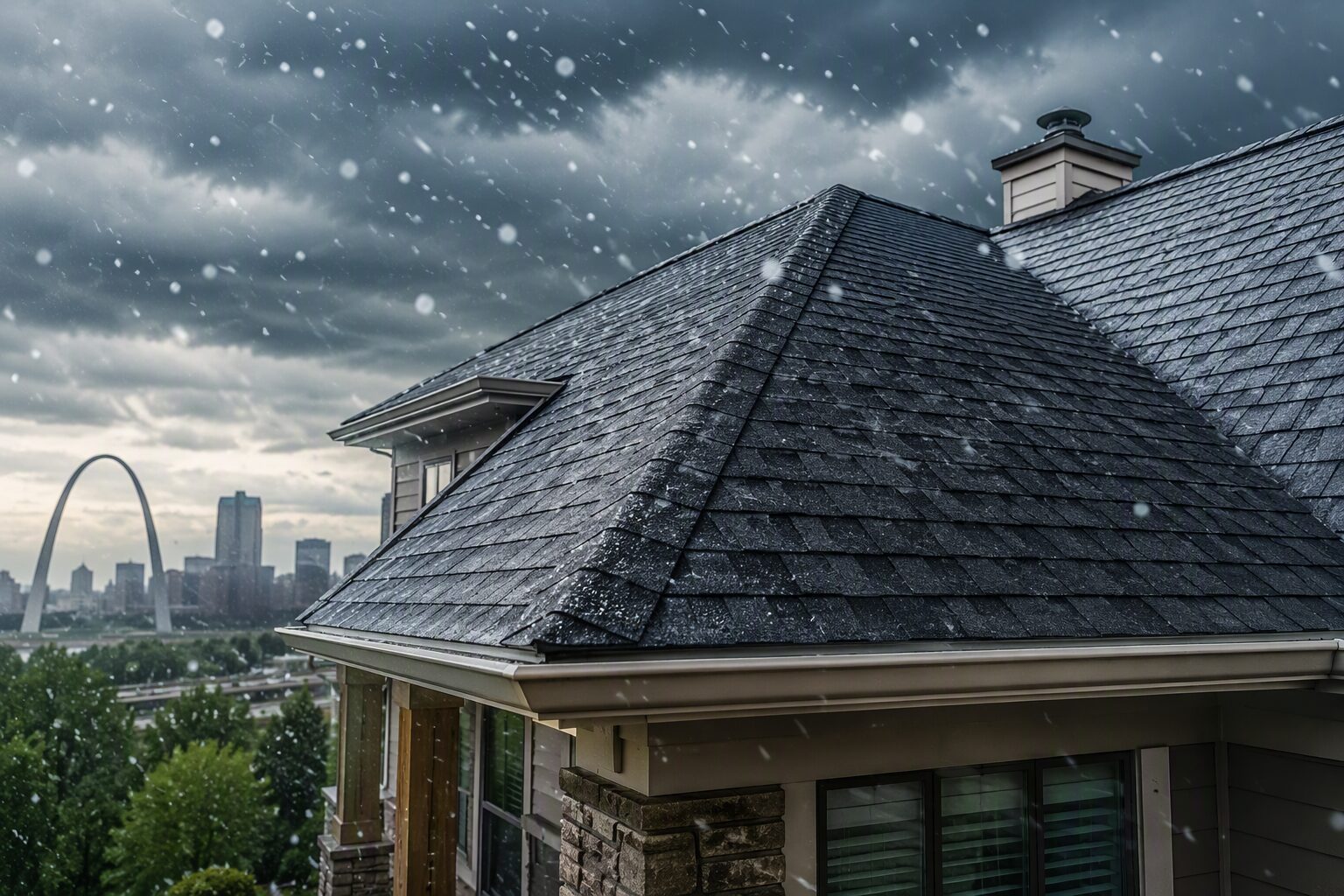
Hail Damage Roof Repair St Louis: Signs You Shouldn’t Ignore
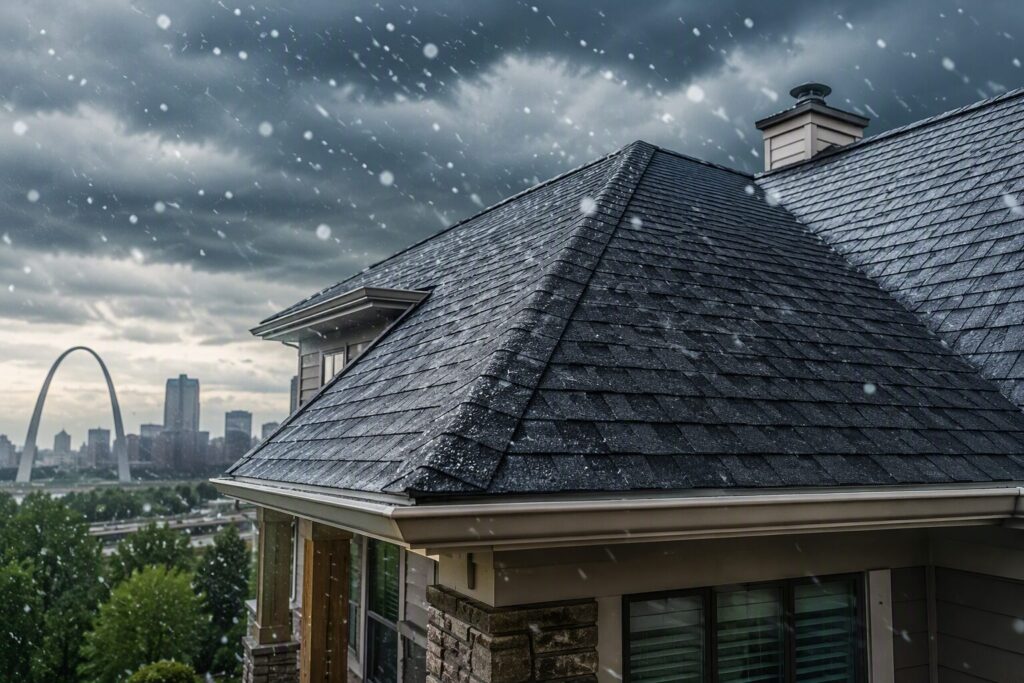
Protect your home, prevent costly repairs, and know when to take action after a hailstorm.
St. Louis homeowners are no strangers to severe weather. Between spring thunderstorms, summer hailstorms, and powerful wind events, roofs throughout the region regularly endure conditions that can cause both visible and hidden damage. While some signs of hail impact are obvious, many forms of roof damage go unnoticed until leaks, mold, structural deterioration, or insurance challenges arise.
If your property has recently experienced hail, it’s important to understand what damage looks like, how it affects your roof, and when professional intervention is necessary. In this guide, the roofing experts at Wildwood Roofing explain everything homeowners need to know about hail damage roof repair in St. Louis, including the warning signs you shouldn’t ignore and the steps to take after a storm.
Why Hail Damage Is a Major Concern for St. Louis Homeowners
Missouri consistently experiences severe thunderstorms capable of producing damaging hail and high winds. Even hailstones as small as one inch in diameter can weaken roofing systems, shorten roof lifespan, and create vulnerabilities that lead to water intrusion.
The challenge with hail damage is that it isn’t always immediately visible. Many homeowners assume their roof is fine because they don’t see missing shingles or active leaks. Unfortunately, hail often causes subtle damage that worsens over time.
When hail strikes your roof, it can:
- Knock protective granules off asphalt shingles
- Crack shingles and roofing materials
- Damage flashing around chimneys and vents
- Dent metal roofing systems
- Loosen roofing components
- Create weak points where water can enter
- Reduce the overall life expectancy of the roof
Left unaddressed, minor hail damage can evolve into major roofing problems that require significantly more expensive repairs.
How Hail Damages Different Roofing Materials
Not all roofing systems respond to hail the same way. Understanding the impact on your specific roofing material helps identify potential problems.
Asphalt Shingles
Asphalt shingles are the most common roofing material in St. Louis and are particularly susceptible to hail damage.
Common issues include:
- Granule loss
- Bruising
- Surface cracking
- Exposed fiberglass mat
- Accelerated aging
Over time, these damaged areas become vulnerable to UV rays, moisture penetration, and weather deterioration.
Metal Roofing
While metal roofs are extremely durable, hail can still cause:
- Cosmetic dents
- Coating damage
- Surface punctures in severe cases
- Seam damage
Even if functionality remains intact, cosmetic hail damage can reduce curb appeal and property value.
Tile Roofing
Concrete and clay tiles may crack or break entirely when struck by larger hailstones.
Damage can include:
- Fractures
- Chipped edges
- Broken tiles
- Water infiltration pathways
Wood Shake Roofing
Wood shake roofs can suffer:
- Splitting
- Cracking
- Surface erosion
- Accelerated moisture absorption
These issues may compromise the roof’s structural performance and longevity, and moisture problems can worsen without proper ventilation.
10 Signs of Hail Damage You Should Never Ignore
The sooner hail damage is identified, the easier and less expensive it is to address. Here are the most important warning signs.
1. Missing Granules in Gutters
After a hailstorm, check your gutters and downspouts; if drainage is clogged or components are damaged, you may need gutter services.
If you notice an unusual amount of coarse, sand-like granules, your shingles may have suffered impact damage.
Granules serve as your roof’s first line of defense against:
- UV radiation
- Moisture intrusion
- Temperature fluctuations
Significant granule loss accelerates roof deterioration.
What to Look For
- Excessive shingle granules in gutters
- Bald spots on shingles
- Dark patches visible from the ground
2. Dented Gutters and Downspouts
Metal components often show hail damage before the roof does.
Inspect:
- Gutters
- Downspouts
- Metal flashing
- Roof vents
- Chimney caps
Visible dents are a strong indicator that your roof may have taken a hit from hail as well.
3. Dark Spots on Shingles
Dark or black spots may indicate areas where hail has removed protective granules.
These spots expose underlying materials to direct weather exposure and increase the likelihood of leaks.
If you notice multiple dark patches across your roof, a professional inspection is strongly recommended.
4. Cracked or Split Shingles
Larger hailstones can physically crack asphalt shingles, leaving damaged shingles.
Signs include:
- Horizontal cracks
- Circular impact marks
- Fractured edges
- Splits around shingle tabs
Even small cracks can eventually allow water penetration.
5. Bruised Shingles
Bruising is one of the most commonly overlooked forms of hail damage.
A hail impact can compress and weaken the shingle beneath the surface.
When inspected closely, roofing professionals may identify:
- Soft spots
- Spongy areas
- Circular bruises
- Hidden fractures
These areas often fail prematurely and should not be ignored.
6. Water Stains Inside the Home
Sometimes the first sign of roof damage appears indoors.
Watch for:
- Ceiling stains
- Wall discoloration
- Peeling paint
- Wet insulation
- Damp attic areas
Moisture intrusion can indicate that hail has compromised your roofing system.
7. Leaks After Rainstorms
If a roof begins leaking shortly after a hail event, the connection may be obvious.
Common leak locations include:
- Around chimneys
- Roof valleys
- Skylights
- Plumbing vents
- Interior ceilings
Even a minor leak can lead to extensive damage if left untreated.
8. Damaged Roof Flashing
Flashing is critical for waterproofing vulnerable roof areas.
Hail can:
- Dent flashing
- Loosen sealants
- Create small punctures
- Cause metal separation
Flashing damage often results in hidden leaks that worsen over time.
9. Damage to Siding and Exterior Surfaces
The condition of other exterior components often provides clues about roof damage.
Check for:
- Dents in siding
- Damaged window screens
- Broken shutters
- Cracked trim
- Chipped paint
If hail damaged these surfaces, your roof likely sustained impact as well.
10. Neighboring Homes Are Getting Roof Repairs
One of the biggest indicators homeowners overlook is activity in their neighborhood.
If nearby homes are:
- Filing insurance claims
- Scheduling inspections
- Replacing roofs
- Repairing hail damage
Your home may have experienced similar impacts.
Storm damage often affects entire neighborhoods rather than isolated properties.
The Hidden Dangers of Delaying Hail Damage Repairs
Many homeowners postpone inspections because they don’t notice immediate problems.
Unfortunately, hail damage rarely improves with time.
Ignoring roof damage can lead to:
Water Intrusion
Small roof breaches eventually become leak sources.
Mold Growth
Moisture trapped inside attics and walls creates ideal conditions for mold.
Structural Deterioration
Water can weaken:
- Roof decking
- Rafters
- Insulation
- Interior drywall
Increased Repair Costs
Minor repairs today can prevent expensive roof replacements later.
Insurance Challenges
Waiting too long may complicate communication with your insurance company and make storm-related damage harder to prove.
What to Do After a Hailstorm
Knowing the proper steps after severe weather can save time, money, and stress.
Step 1: Stay Safe
Never climb onto a roof immediately after a storm.
Wet surfaces, loose shingles, and structural damage can create dangerous conditions.
Step 2: Perform a Ground-Level Inspection
Walk around your property and look for:
- Dents
- Missing shingles
- Debris
- Broken gutters
- Damaged siding
Take photographs whenever possible. From the ground, note each visible roof issue you can spot.
Step 3: Check Your Attic
Inspect the attic for:
- Water stains
- Damp insulation
- Visible sunlight
- Active leaks
These signs may indicate roof system damage.
Step 4: Document Everything
Create a record of:
- Storm dates
- Visible damage
- Interior damage
- Photos and videos
This documentation can help you decide whether to move forward with insurance claims.
Step 5: Schedule a Professional Roof Inspection
The most important step is having a trained roofing professional evaluate the roof so you can get a clear estimate after storm damage.
Professional inspections identify hidden damage that homeowners often miss.
When Does Hail Damage Require Roof Repair?
Not every hailstorm results in a roof replacement.
Depending on the extent of damage, solutions may include:
Minor Repairs
Suitable for:
- Isolated shingle damage
- Small flashing issues
- Limited impact areas
Partial Roof Replacement
Recommended when damage affects a specific section of the roof.
Full Roof Replacement
Necessary when:
- Damage is widespread
- Shingle integrity is compromised
- Roof lifespan is significantly reduced
- Insurance coverage supports replacement
An experienced roofing contractor can determine the most cost-effective solution, and in some cases a new roof is the better long-term option.
How Roof Inspections Help Homeowners Save Money
Many roofing issues become expensive because they’re discovered too late.
A professional hail damage inspection helps:
- Detect hidden damage early
- Prevent leaks
- Extend roof lifespan
- Support insurance claims
- Maintain property value
- Avoid emergency repairs
At Wildwood Roofing, our experienced inspectors provide detailed assessments so homeowners understand the true condition of their roof, backed by the expertise to identify hail-related damage early.
Why Choose Wildwood Roofing Company for Hail Damage Roof Repair in St. Louis?
Choosing the right contractor matters just as much as repairing the damage itself.
Wildwood Roofing is committed to helping St. Louis homeowners navigate storm damage with confidence.
Local Experience
We understand the unique weather challenges facing homeowners throughout the Greater St. Louis area, including Jefferson County and Franklin County.
Thorough Inspections
Our team evaluates every component of your roofing system to identify visible and hidden damage.
Honest Recommendations
We never recommend unnecessary repairs or replacements.
Quality Workmanship
Our certified roofing professionals use top quality materials and proven installation methods.
Insurance Claim Assistance
We help homeowners understand the documentation and inspection process associated with storm-related claims.
Customer-Focused Service
Clear communication, transparency, responsiveness, and customer satisfaction are at the core of every project.
Frequently Asked Questions About Hail Damage Roof Repair
Can a Roof Leak Months After Hail Damage?
Yes.
Many roofs experience delayed leaks because hail damage weakens roofing materials that gradually deteriorate over time.
Will Insurance Cover Hail Damage?
Most homeowner insurance policies cover storm-related roof damage, though coverage varies by insurer and policy.
A professional inspection can help determine if damage may qualify for a claim.
How Soon Should I Schedule an Inspection After a Hailstorm?
As soon as possible.
Prompt inspections help identify damage early and preserve documentation.
Can I Inspect My Own Roof?
Ground-level observations are helpful, but climbing onto a roof can be dangerous and may not reveal hidden damage.
Professional inspections are strongly recommended.
How Long Does Hail Damage Repair Take?
The timeline depends on:
- Severity of damage
- Roof size
- Material type
- Weather conditions
The size of the job also affects the repair timeline.
Many repairs can be completed quickly once materials are available.
Protect Your Home Before Small Problems Become Expensive Repairs
Hail damage is one of the most overlooked threats to residential roofing in St. Louis. What appears to be a minor storm can cause damage that weakens your roof, shortens its lifespan, and leads to costly repairs months later.
The best defense is early detection.
If your home has experienced hail, strong winds, or severe weather recently, don’t wait for leaks to appear before taking action.
Get Your Instant Roof Quote in Less Than a Day
At Wildwood Roofing, we make the process simple as a local roofing company. Our experienced roofing specialists provide fast, thorough inspections and honest recommendations backed by reliability to protect your home and your investment, including your house.
- Instant Roof Quote in Less Than 24 Hours
- Professional Hail Damage Roof Inspection
- Fast Response Across St. Louis & Surrounding Areas
- Expert Storm Damage Assessment
- No-Pressure Recommendations for residential and business properties
Schedule Your Roof Inspection Today
Protect your property with prompt storm repair and restoration before hidden hail damage turns into a major roofing problem.
Call Now or Request Your Free Inspection Online and get peace of mind from the company St. Louis homeowners trust, with warranty-backed work, a commitment to quality, customer satisfaction, BBB-accredited service, and support built on decades of serving the community and customers.
Popular Posts